Research · Setup in 10 min· Setup Pass
Set up OpenEvidence for supplement research in 10 minutes
Configure this clinical AI search engine to find human evidence for or against a supplement.
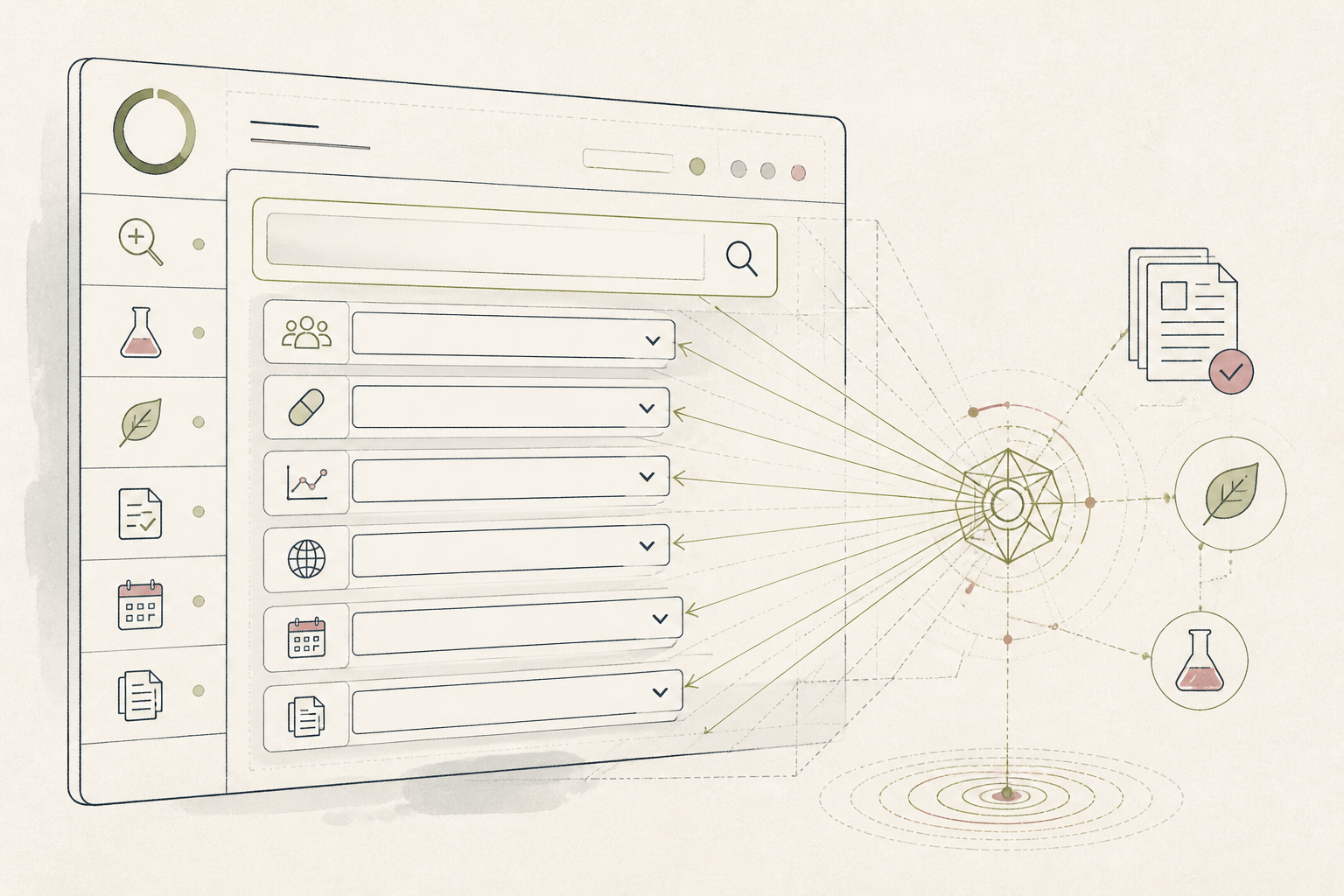
You need to check the evidence for a supplement, but PubMed is noisy and general search is full of affiliate marketing. This setup configures OpenEvidence to find human trial data for a specific compound, fast.
Before you start
- An OpenEvidence account
- The name of a supplement to research
- 10 quiet minutes
The steps
- 01
Start a new question
From the dashboard, start a new question. Use the PICO (Population, Intervention, Comparison, Outcome) framework to structure your query. For example: "In adult women [Population], does creatine monohydrate [Intervention] compared to placebo [Comparison] improve cognitive function [Outcome]?"
- 02
Synthesize the evidence
OpenEvidence will return a direct answer and a list of sources. Use the "Synthesize" button to generate a summary of findings from the top papers. This gives you a quick overview of the consensus, if any.
- 03
Filter for human trials
In the left-hand sidebar, find the "Study Type" filter. Select "Human" to exclude animal or in-vitro studies. This is the most important step for finding relevant data for personal health or client protocols.
- 04
Review the Ledger
Examine the "Ledger" view. This table extracts key data points like population, dosage, and outcomes from each study. Use this to create the Research layer of your 3-Layer Method, noting the exact dosages and effects reported in the literature.
- 05
Export for your notes
Use the export function to save the synthesis and list of sources. For practitioners, this provides quote-grade answers for client conversations and case notes. For individuals, it creates a clean record of the evidence you based your decision on.
Honest note
OpenEvidence is a powerful tool for reviewing published literature, but it cannot access unpublished data or account for individual biology. The evidence it finds is a starting point, not a replacement for clinical advice from a professional who knows your health history.
Want the whole stack, not just one tool?
The free 10-Day Challenge wires these together. Or join the free 45-min live workshop and watch me build it end-to-end.