The shifts, with a point of view.
Where health, wellbeing and AI are actually heading — and the judgement call each shift asks of you. For the daily play-by-play, read the news.
 4 min
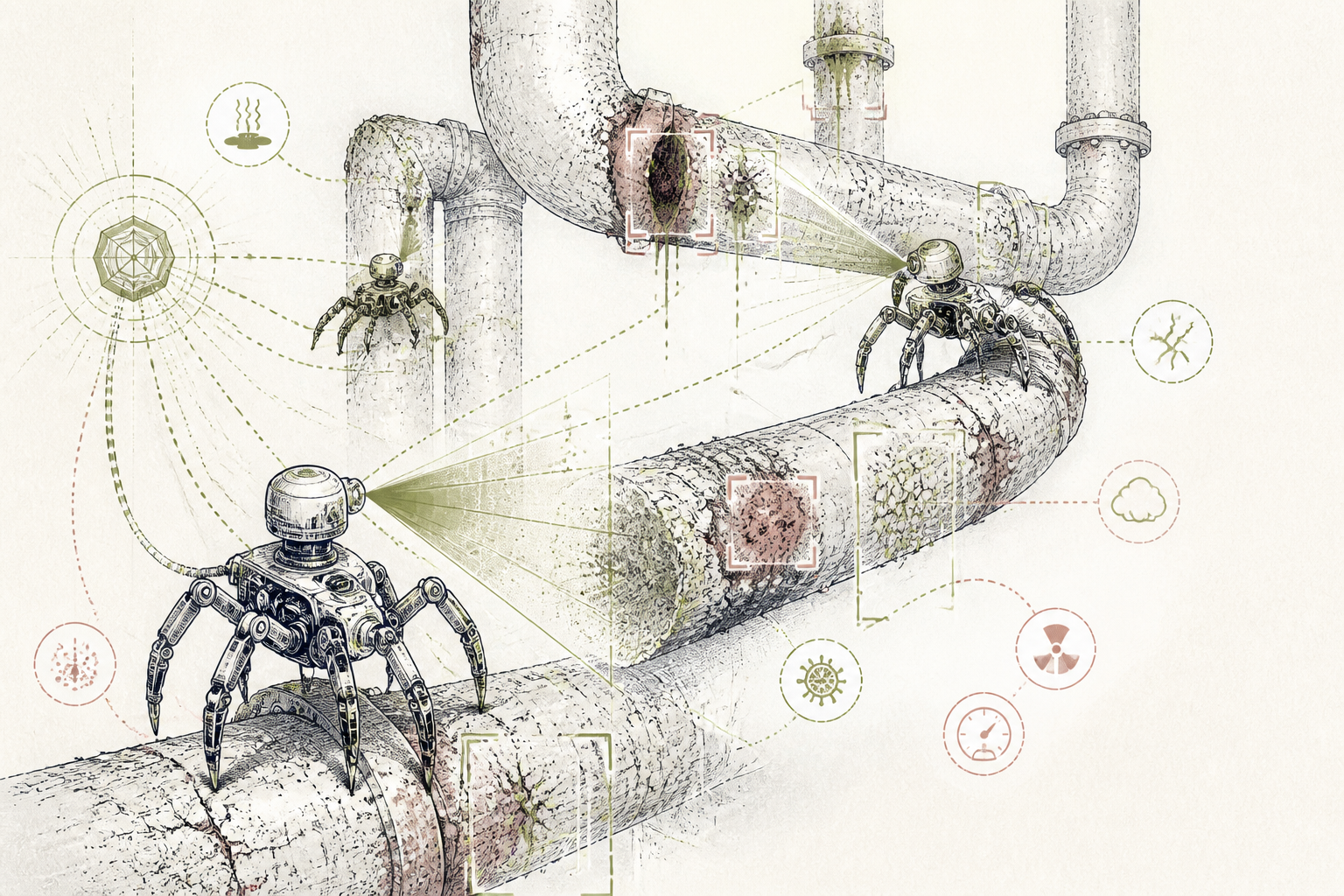
4 minRobotic Health Guardians: AI Secures Public Safety
AI-controlled miniature robots are beginning to access hazardous environments, promising a new era for public safety inspections and infrastructure integrity that directly impacts community health.
These agile robots, guided by AI, can perform crucial health and safety inspections in spaces too dangerous for humans, preventing exposure to hazards and proactively identifying risks. This innovation shifts the burden of risk from human inspectors to autonomous systems, enhancing overall public health and safety.
 5 min
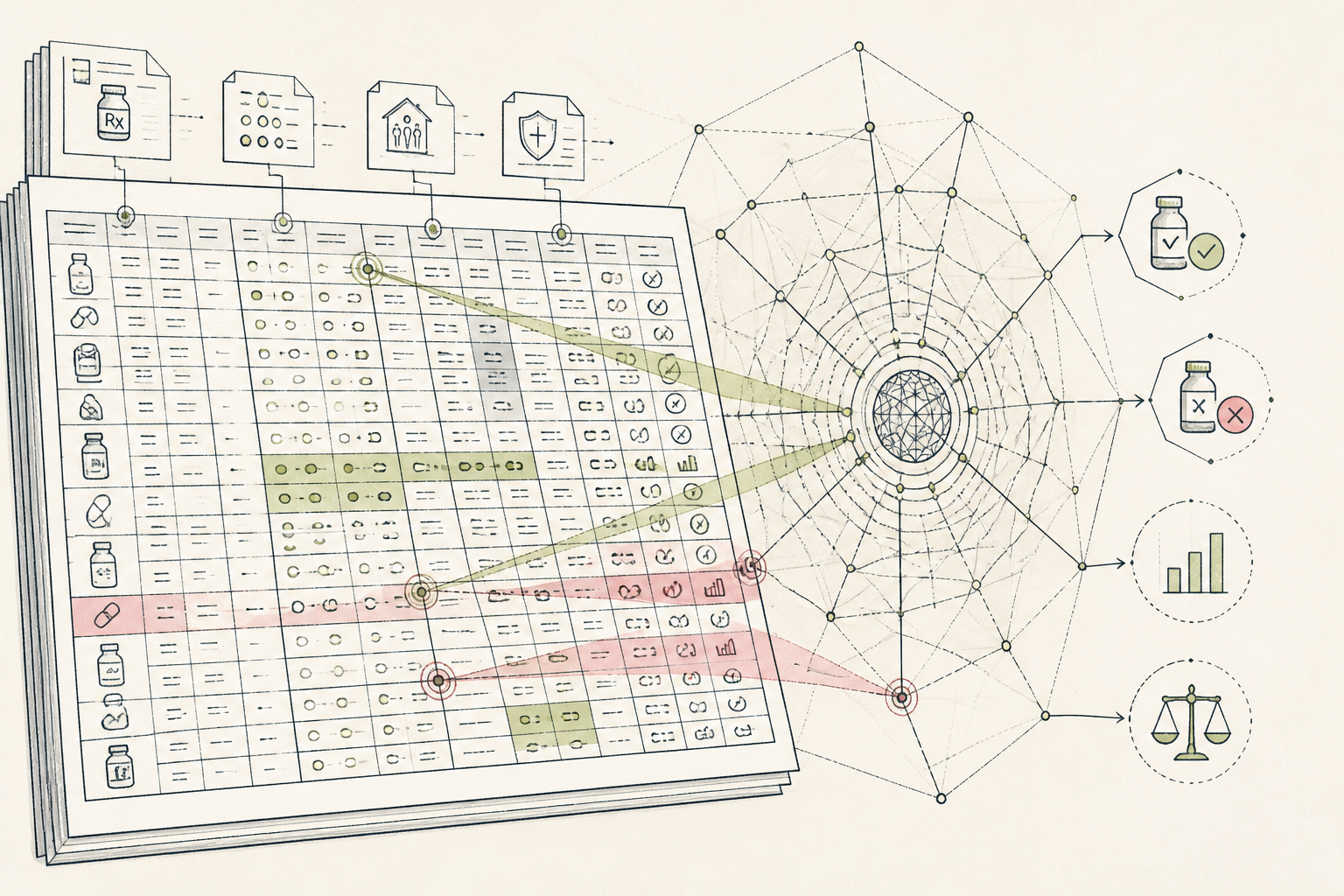
5 minAI-Driven Cost Control in Medication Access
The increasing integration of AI in healthcare decision-making is poised to reshape how individuals access and afford critical medications, particularly for emerging treatments.
AI's capacity to analyze vast datasets can streamline drug pricing programs, potentially reducing administrative overhead and identifying more equitable access pathways. However, this also introduces new complexities in determining individual eligibility and economic impact.
 5 min
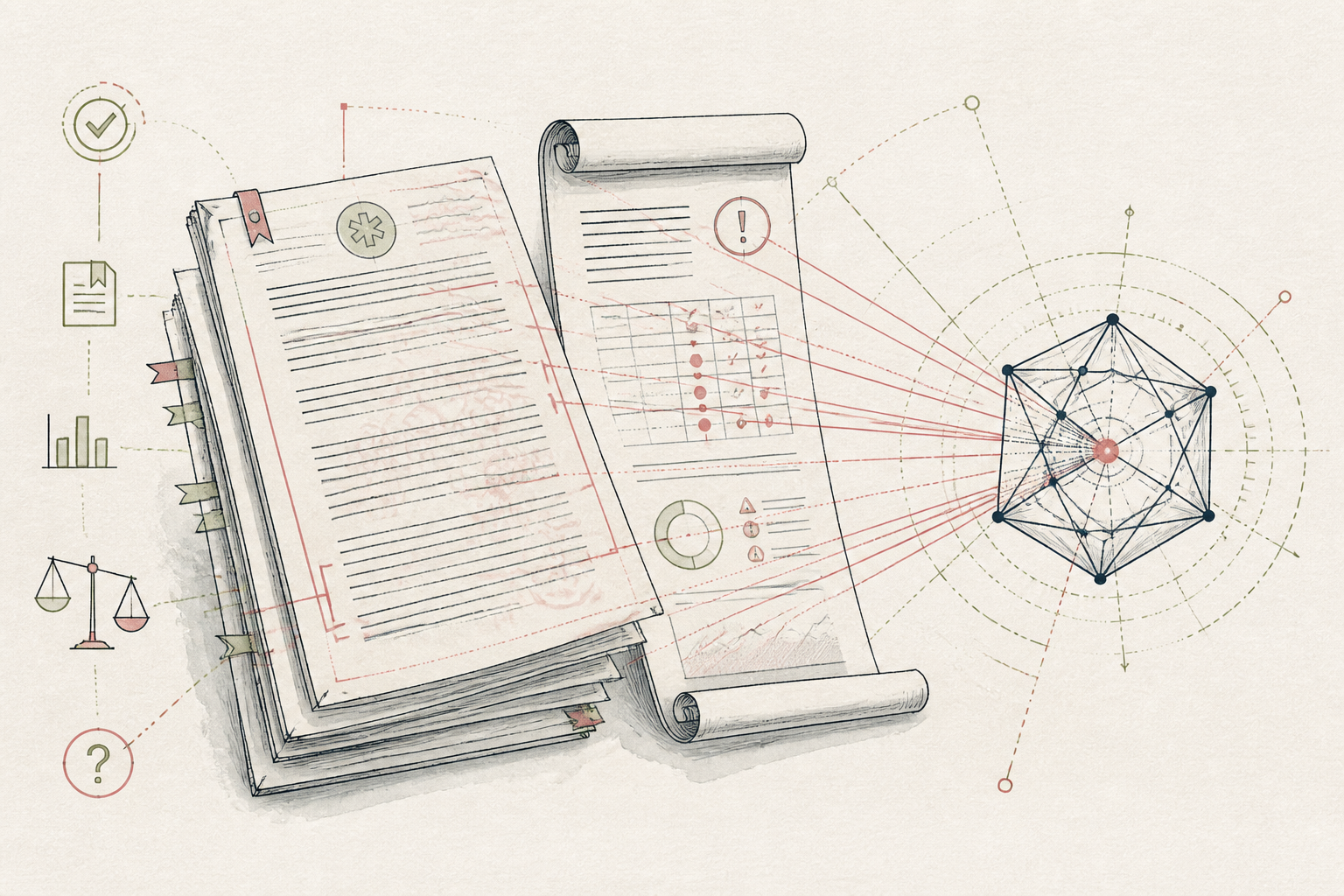
5 minAI's Governance Gap: When Health Advice Meets Undisclosed Ties
The integration of AI in health diagnostics and personalized wellness hinges on data integrity and unbiased recommendations, threatened by undisclosed financial interests influencing expert committees.
As AI tools increasingly rely on structured data and expert-validated guidelines, any compromise in the integrity of these foundational elements directly undermines the trustworthiness and efficacy of AI-driven health solutions, creating a hidden vulnerability for personal wellness.
 5 min
5 minData Ethics and AI: Navigating the Privacy Peril in Health
The growing deployment of AI for sensitive applications, from border surveillance to mental health diagnostics, underscores urgent concerns about data privacy and the ethical implications for individual wellbeing.
As AI expands its reach into highly sensitive personal data, establishing robust governance frameworks and ensuring individual data sovereignty is crucial to prevent harm and maintain trust in health AI.
 6 min
6 minAI's Role in Decoding & Treating Complex Neurological Conditions
New findings on Long COVID fatigue and stroke recovery, alongside AI's advancing capabilities, highlight how AI is becoming central to understanding and addressing complex brain and nervous system disorders.
AI is moving beyond diagnostic support to actively shape our understanding of underlying biological mechanisms in neurological conditions, accelerating the development of novel therapies.
 5 min
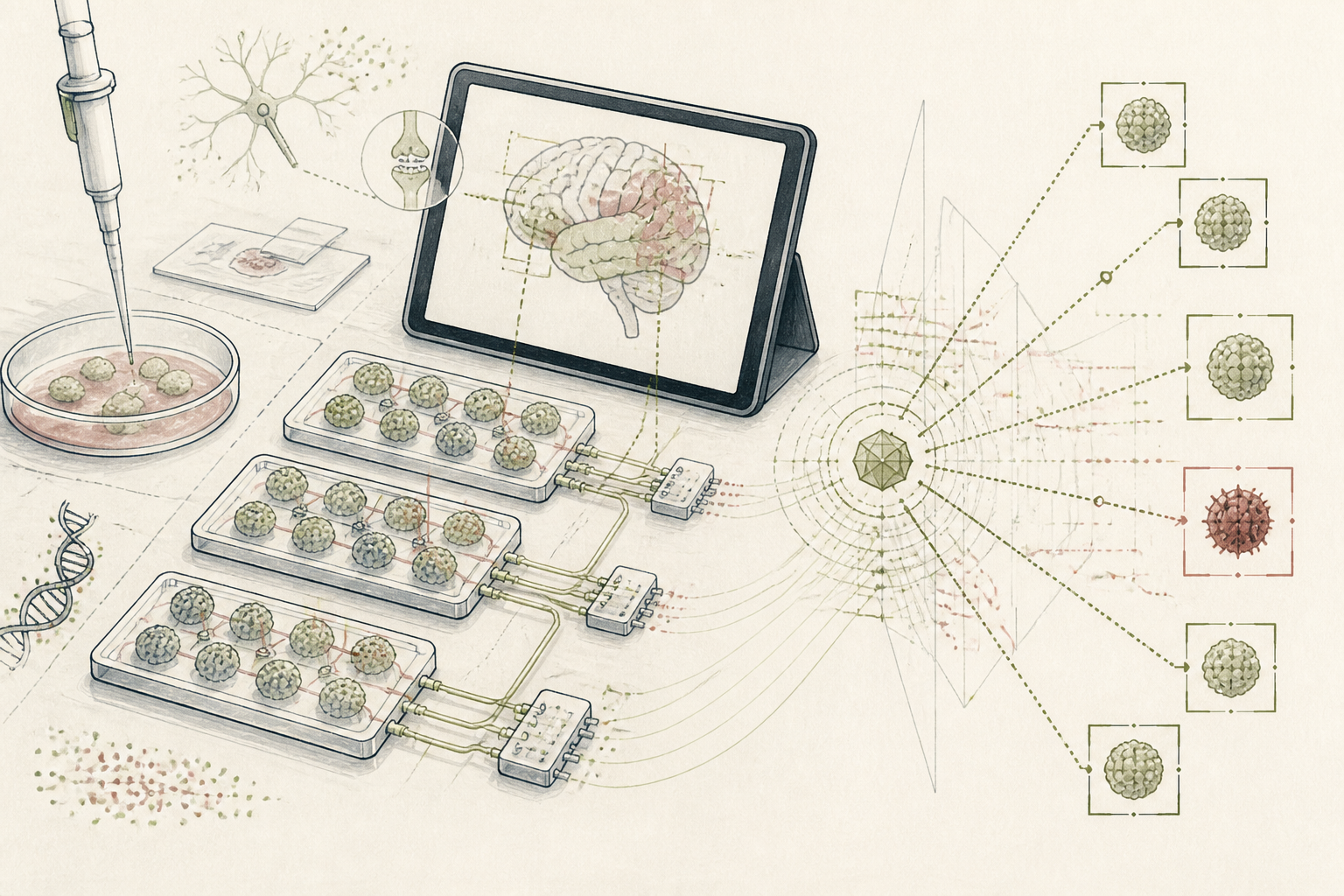
5 minAI Elevates Drug Safety & Neuro-Diagnostics
New regulatory flexibility for non-animal testing and advanced neural implants signal a shift towards more precise, human-centric drug development and brain research.
The convergence of AI in diagnostics and regulatory shifts for non-animal testing could accelerate the availability of safer, more effective treatments, particularly for neurological conditions, by providing better, faster data.
 5 min
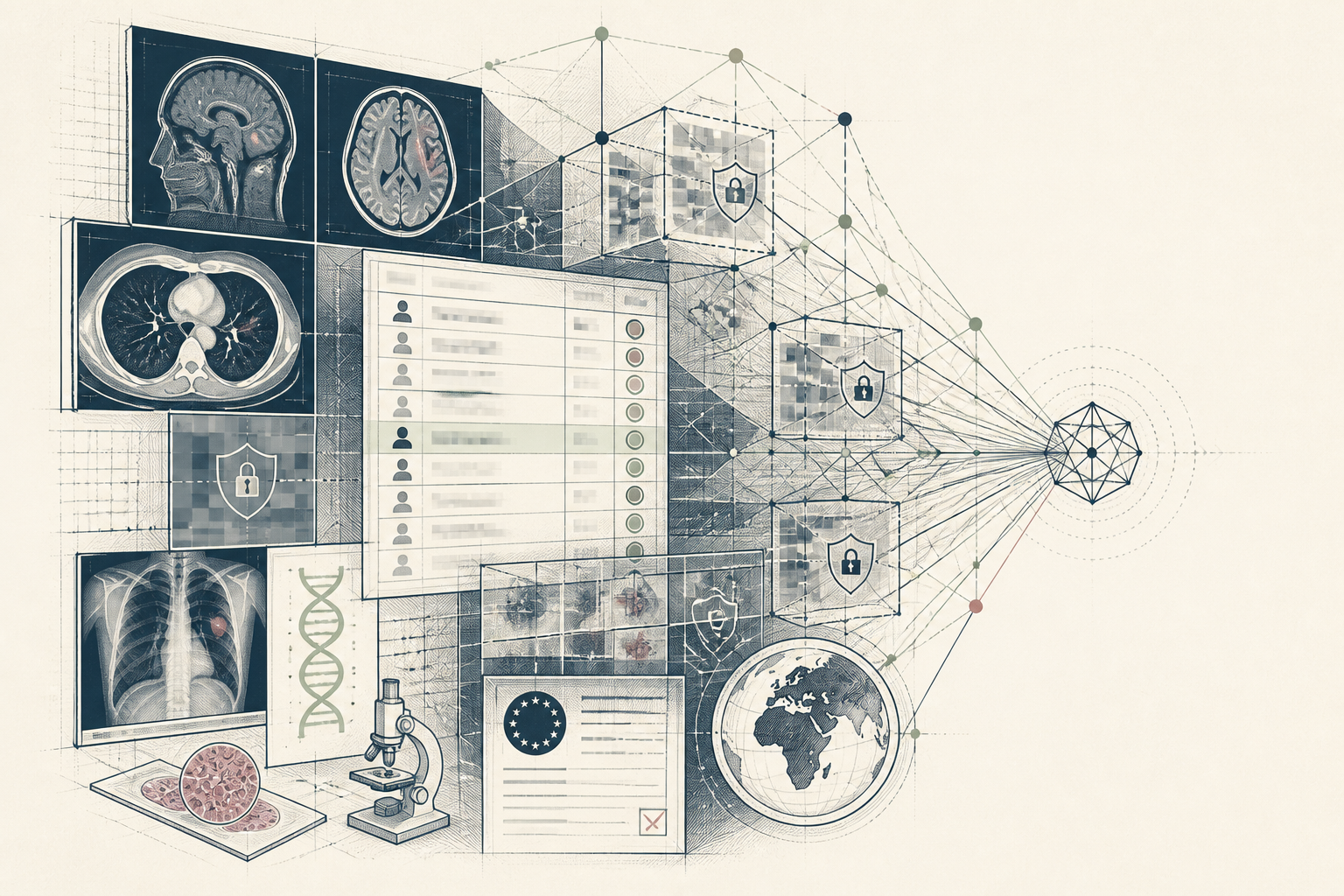
5 minAI Diagnostics Demand EU-Level Data Governance
New European regulatory decisions for early cancer detection tests will significantly influence global standards for health data use and patient access.
The increasing sophistication of AI in diagnostics necessitates robust, federated data governance. This will ensure both privacy and the broad, equitable access needed for these tools to mature and benefit all.
 6 min
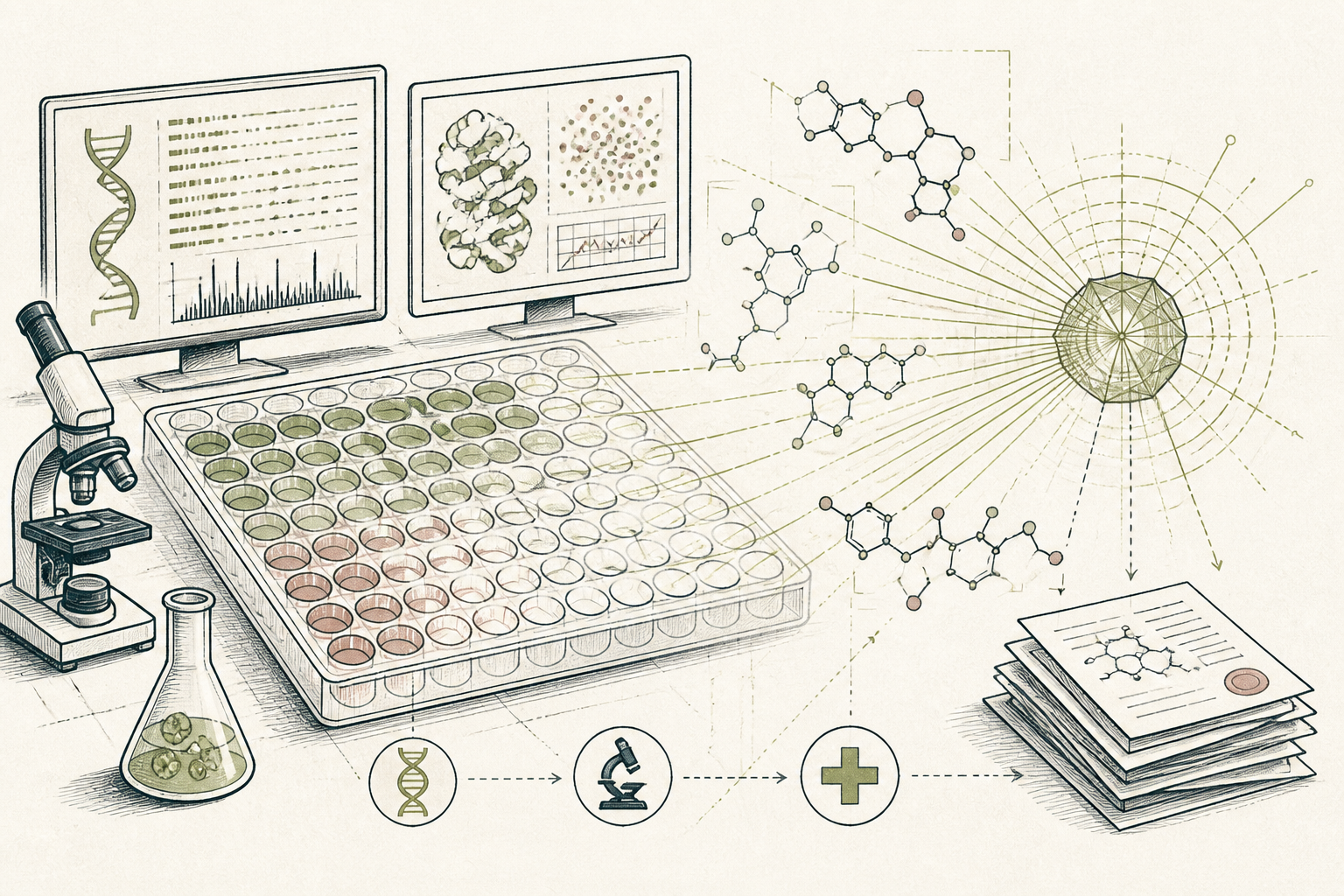
6 minAI in Drug Discovery: Ethical Accelerant or Black Box?
Regulatory shifts welcoming non-animal drug testing methods intersect with AI's growing role in discovery, promising faster therapeutic development while demanding new ethical scrutiny.
The FDA's embrace of animal-free testing creates fertile ground for AI-driven drug discovery, accelerating the pipeline and potentially yielding more human-relevant results. Individuals could benefit from a wider array of safer, more effective treatments arriving faster.
 6 min
6 minLongevity's Data Dilemma: Regenerative Biology Meets AI
Discoveries in regenerative biology, like 'phoenix cells,' necessitate AI's role in managing complex individual health data for personalized anti-aging interventions, while balancing potential cancer risks.
The promise of regenerative medicine for longevity depends on AI's capacity to personalize treatments and monitor for adverse effects, transforming how individuals approach aging and disease prevention.
 5 min
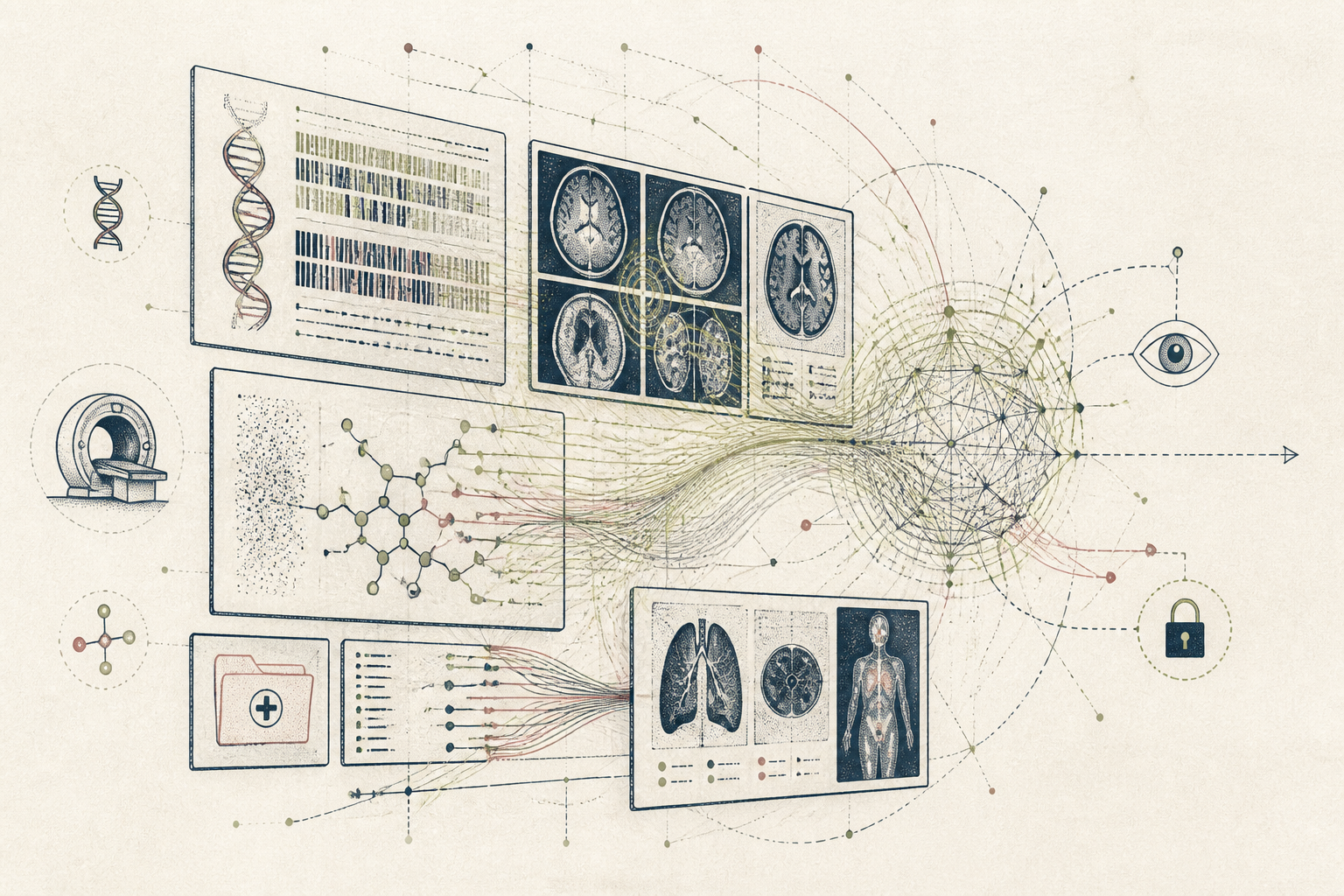
5 minAI's Governance Role in Advanced Therapeutics
Regulatory bodies are increasingly relying on AI to ensure the safety and efficacy of new radiopharmaceuticals and gene therapies, shifting compliance from manual review to algorithmic validation.
As complex treatments become more common, AI will play a central role in verifying data integrity and patient safety, influencing which innovations reach individuals and how quickly.
 6 min
6 minAI's Role in Precision Medicine Raises Data Governance Stakes
AI's integration into advanced drug development and diagnostics promises enhanced treatments, but intensifies the need for robust health data privacy and access protocols.
The increasing sophistication of AI in healthcare, from drug manufacturing to diagnostic tools, will make health data an even more valuable and vulnerable asset. This shift demands proactive individual engagement with data governance.
 5 min
5 minAI Elevates Precision Medicine, Personalizing Care with Deeper Data
Advanced AI analysis is refining diagnostics and treatment, making personalized medicine more precise and applicable in critical health scenarios like transfusions and rare disease therapy.
The integration of AI into genetic and diagnostic processes means individuals will increasingly benefit from health interventions tailored to their unique biological profiles, moving beyond 'one-size-fits-all' treatments. This shift enhances both safety and efficacy in critical medical contexts.
 5 min
5 minAI Diagnoses for Emerging Threats: A Global Health Imperative
The re-emergence of historical and novel pathogens underscores the critical role of diagnostic AI in safeguarding individual and planetary health.
Rapid, accurate identification of viral threats, both ancient and new, will become indispensable for public health, shifting diagnostic timelines from weeks to hours and enabling proactive containment strategies.
 6 min
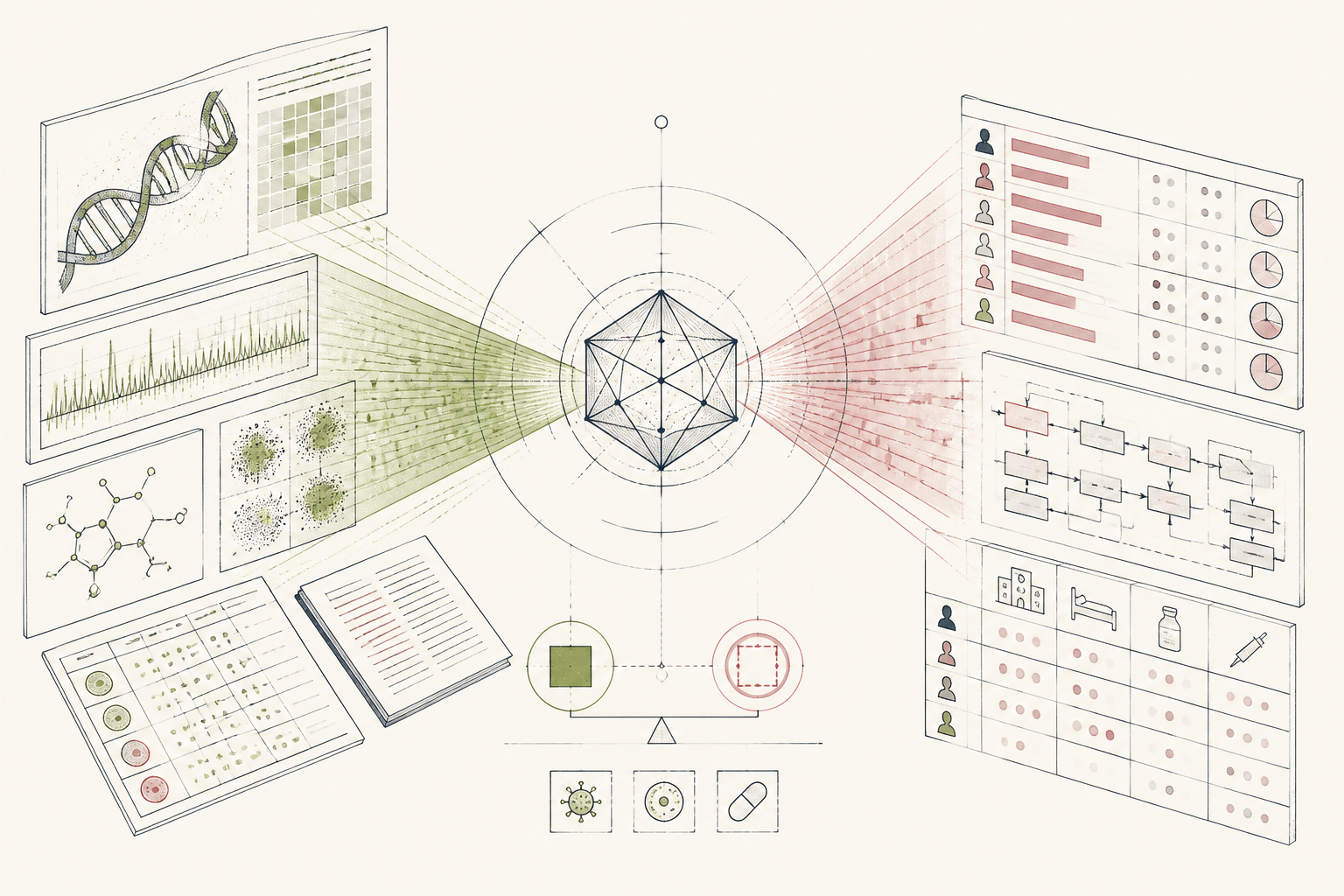
6 minAI's Dual Role in Health: Early Detection vs. Embedded Bias
Artificial intelligence offers potent tools for identifying nascent health threats but can also perpetuate and amplify human biases in patient care.
AI's integration into healthcare presents a paradox: its capacity for early, large-scale detection of disease and pathogens is matched by its vulnerability to encoding and exacerbating existing social and clinical stigmas, influencing patient outcomes.
 6 min
6 minQuantum AI Accelerates Precision Diagnostics
Quantum computing's emergence is set to refine AI models for health diagnostics, ushering in an era of faster, more accurate, and individually tailored medical insights.
The superior computational power of quantum architectures promises to unlock new capabilities in AI for analyzing complex biological data, enabling highly personalized diagnostics and treatment strategies for intricate diseases.
 5 min
5 minFlexible Batteries Usher in Continuous, Unobtrusive Health Data
New battery technology allows health monitoring devices to conform to the body, enhancing comfort and data accuracy for continuous health insights, driving AI's role in unobtrusive health management.
The advent of flexible, fluid batteries means wearable health technology can move beyond its current rigid forms, enabling true continuous monitoring without user discomfort or data gaps. This shift will generate richer, more consistent physiological data, presenting new challenges and opportunities for AI in interpreting subtle health changes.
 5 min
5 minPredictive Health Gets Personal: Quantum AI's New Accuracy
Quantum-enhanced AI models promise to dramatically refine individual health trajectory predictions, moving from statistical generalities to precise personal foresight.
By processing complex biological data with unprecedented accuracy, these models will transform how individuals anticipate and manage their health, fostering truly personalised preventive care.
 5 min
5 minOptimizing Biological Functions: AI-Guided Human Enhancement
Technologies that enhance sleep and target specific biological processes are pointing to a future where AI-driven interventions fine-tune human performance and resilience.
The strategic application of AI to understand and modulate fundamental biological functions, such as sleep and cellular processes, signals a new era of human enhancement. These non-invasive and precise interventions hold the potential to significantly improve mental health, cognitive function, and disease resilience, moving beyond symptomatic treatment to proactive physiological optimization.
 5 min
5 minFlexible Bio-Sensing Redefines Health Monitoring Boundaries
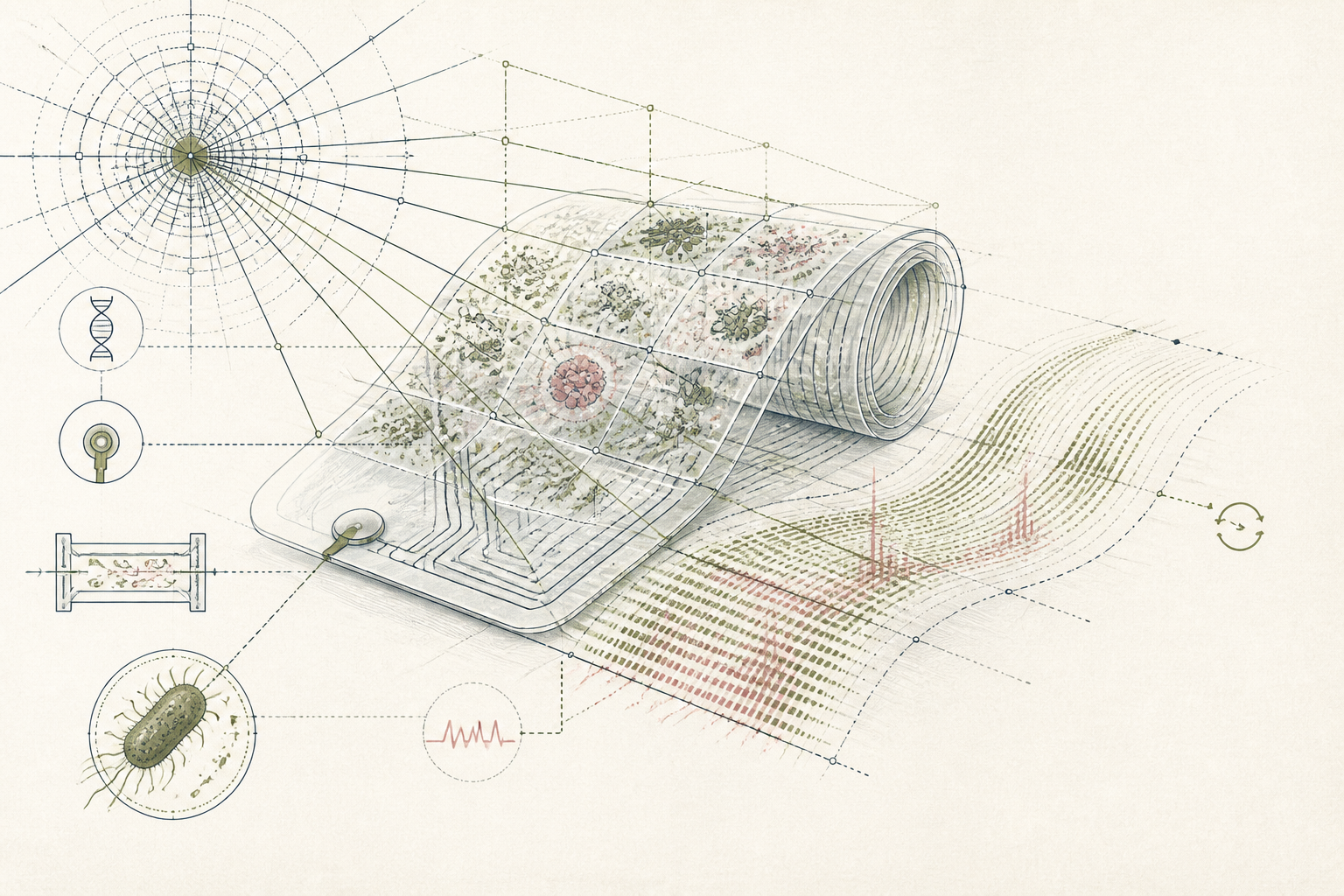
New flexible battery and engineered bacterial sensing technologies converge to enable continuous, non-invasive health data collection, transforming diagnostics and preventive care.
This synergy promises to move health monitoring from episodic clinic visits to ubiquitous, always-on data streams, allowing for proactive intervention and highly personalised health insights.
 6 min
6 minData Erosion Threatens Wellness: AI's Dual Role in Trust & Monitoring
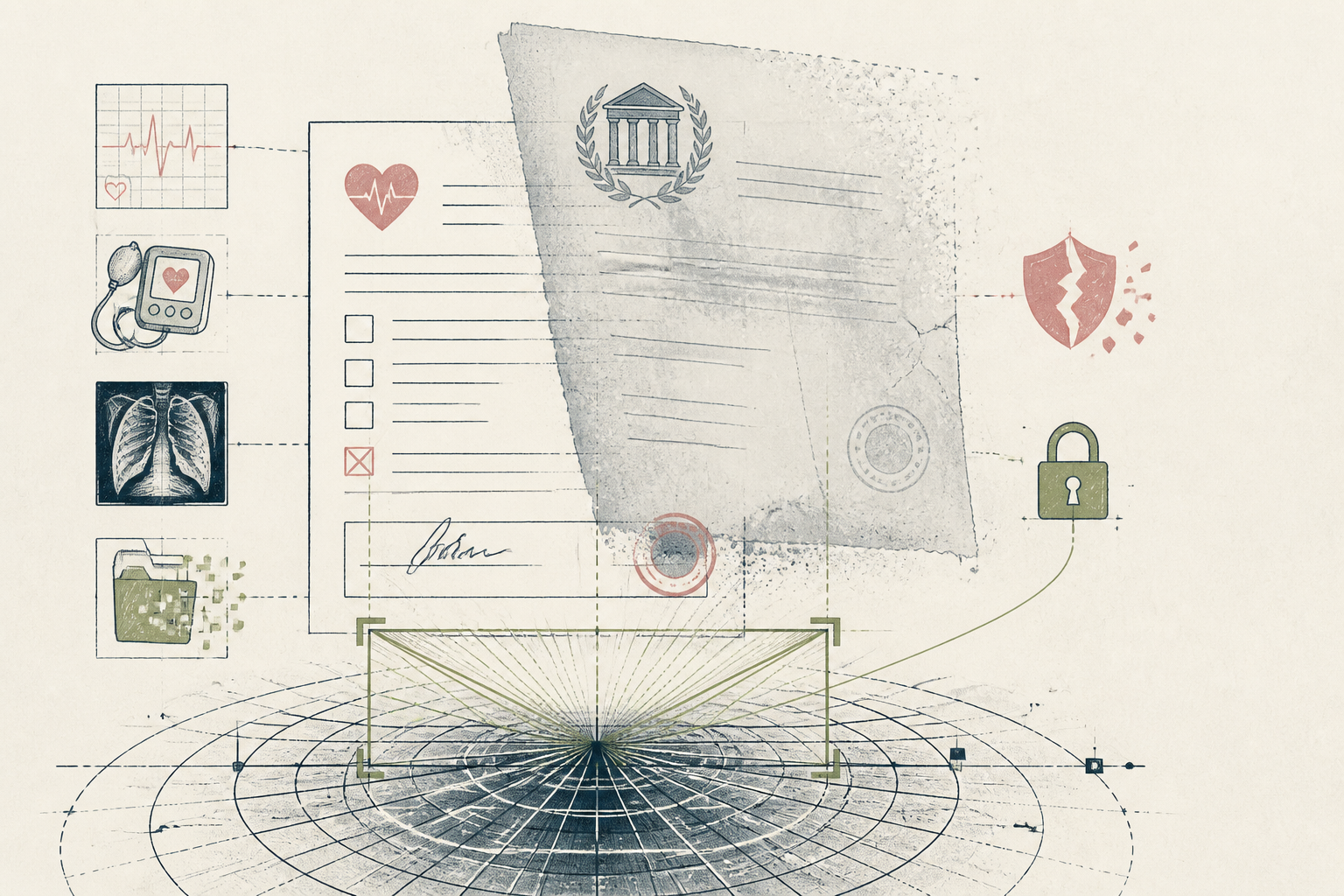
Growing public distrust in health agencies, alongside AI's expanding role in diagnostics and remote sensing, creates a complex landscape for health data sharing and personalized wellness.
The efficacy of AI-driven health advancements, from early disease detection to personalized monitoring, hinges critically on public willingness to share data, a willingness currently undermined by eroding trust in health institutions.
 5 min
5 minPrecision Care's Next Frontier: Decoding Individual Response
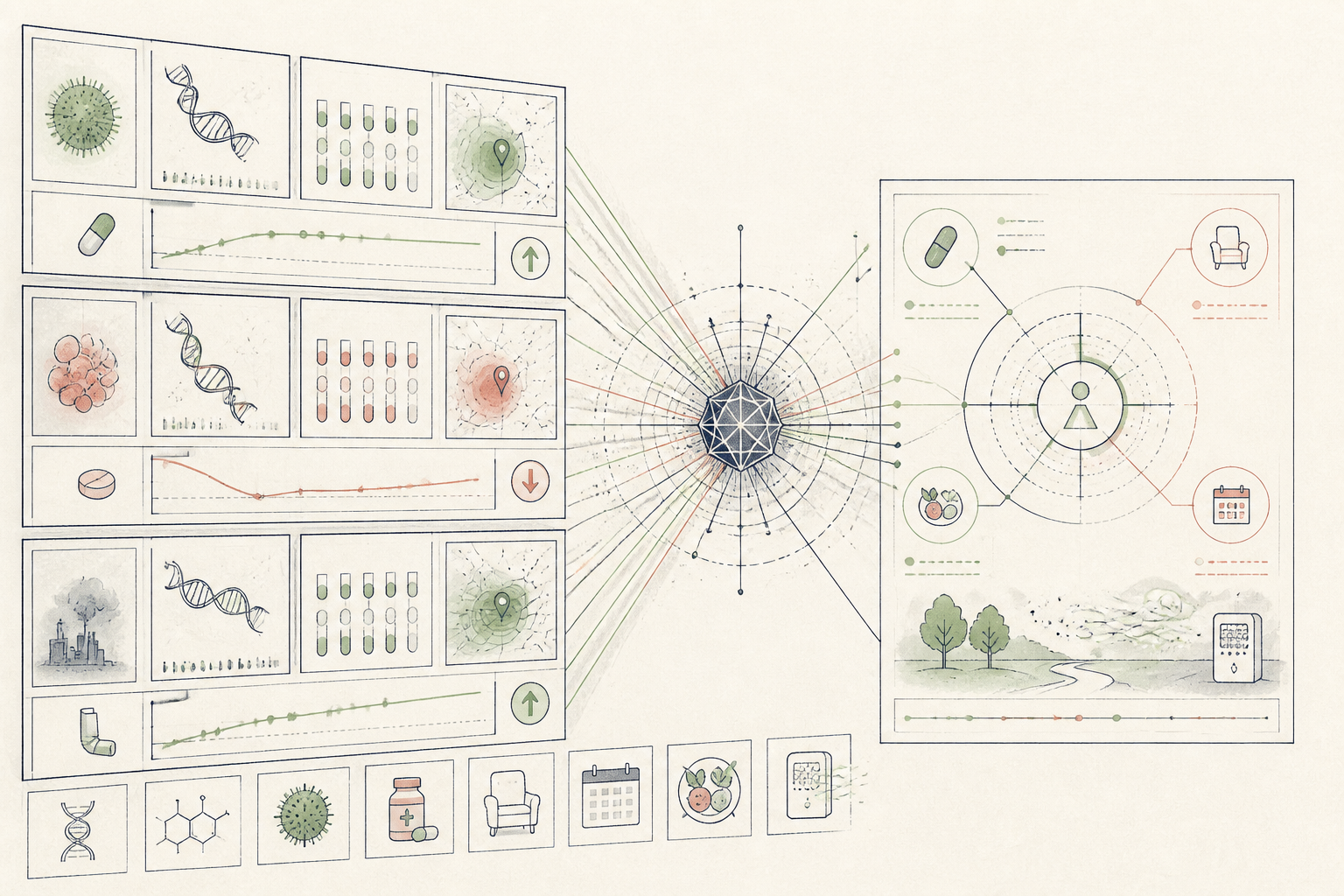
New insights into personalized therapies and environmental health expose a growing need for AI to integrate complex data streams for truly individualized health strategies.
As treatments become more specific and external factors are linked to disease, AI's role shifts from broad diagnostic support to synthesizing granular personal data for tailored care plans and preventive advice.
 6 min
6 minQuantum AI: Health Modeling Needs Ethical Guardrails
The rise of quantum AI for health modeling promises precision but demands rigorous ethical oversight to protect patient data and prevent unintended harm.
As quantum AI models emerge for drug discovery and personalized health, their unparalleled complexity requires a proactive, transparent framework to ensure patient safety and equitable access.
 4 min
4 minAI's Ergonomic Lens: Shaping Your Environment for Health & Cognition
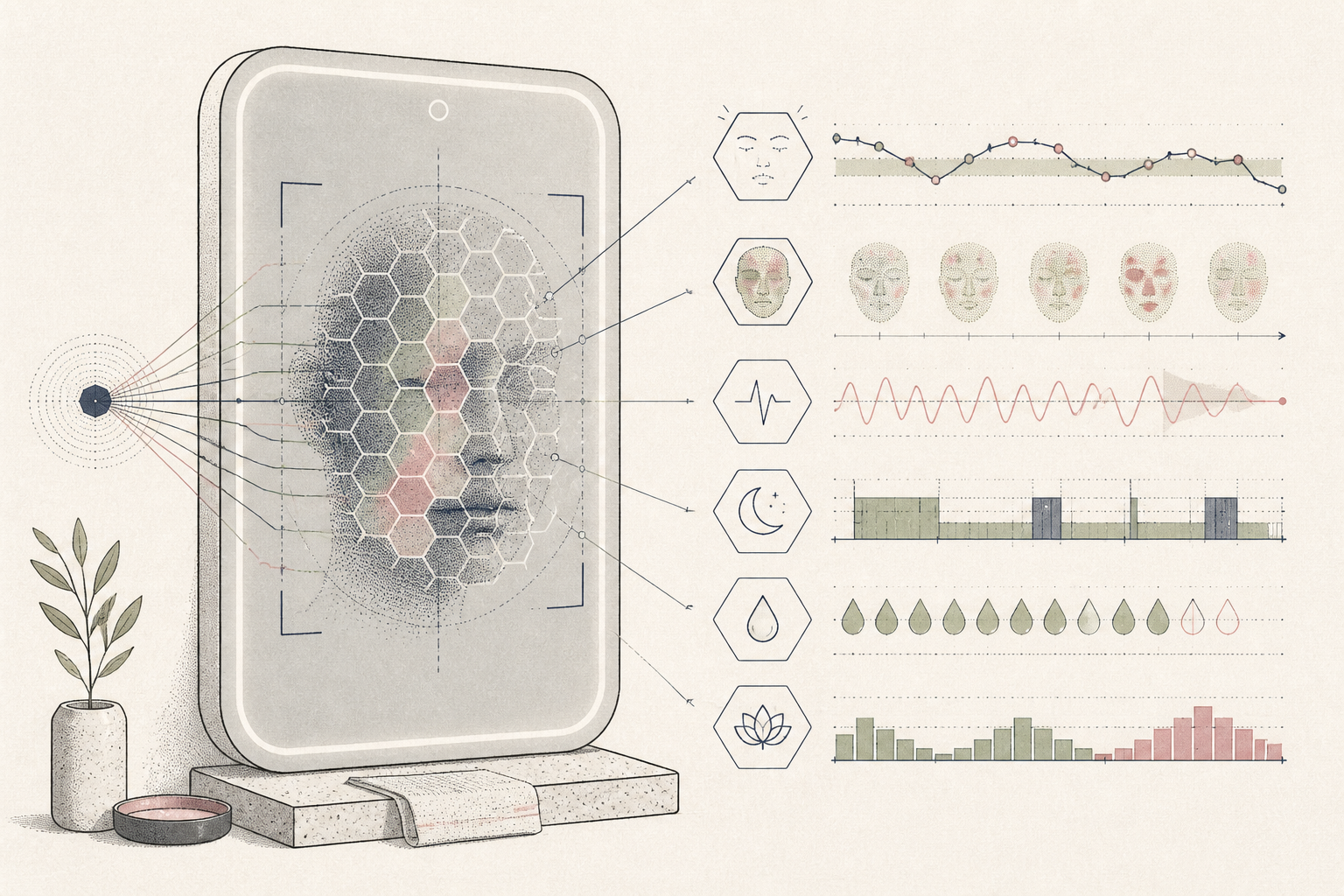
Emerging AI applications extend beyond digital realms to influence physical environments and behaviors, offering personalized ergonomic solutions that can subtly enhance mood, decision-making, and overall well-being.
This indicates a future where AI actively co-optimizes your physical interactions and surroundings to support cognitive function and reduce stress, moving wellness from conscious effort to ambient support.
 5 min
5 minAI's Precision in Early Disease Detection Boosts Preventive Health
AI is advancing diagnostics for everything from viral outbreaks to cognitive decline, moving health surveillance into everyday interactions and offering earlier intervention points.
The integration of AI into diagnostic tools shifts the paradigm from reactive treatment to proactive prevention. This means health monitoring can become more subtle and continuous, offering insights into health changes before they become critical.
 5 min
5 minAI in healthcare: regulated as medical device, shaping access
As AI moves into critical diagnostic and therapeutic roles, regulators are stepping in to classify these tools as medical devices, profoundly altering their development and deployment.
The UK's classification of AI scribes as medical devices signals a global trend towards stricter oversight for AI in health, ensuring safety and efficacy but potentially influencing innovation pace and accessibility.
 6 min
6 minQuantum AI Powers Next-Gen Health Diagnostics
Advances in quantum material simulation, combined with AI-driven sensing, promise a new era of precision diagnostics and personalized health monitoring.
The convergence of quantum AI and advanced sensor technology moves us closer to diagnostic tools that can detect health issues at an unprecedented resolution, offering insights that were previously unattainable. This shift means earlier intervention and more tailored preventative strategies for individual health.
 6 min
6 minAI Chips Shrink Health Monitoring's Footprint and Boost Autonomy
New advances in AI processing, from light-powered chips to radiation-hardened designs, promise to make health monitoring devices more energy-efficient and capable of on-device data processing in diverse environments.
Integrating these advanced AI chips will shift health data processing closer to the body, enabling more immediate insights and reducing reliance on cloud infrastructure, especially for continuous and remote monitoring. This means greater privacy by default, as sensitive health data can be processed without leaving the device.
 6 min
6 minAI Elevates Precision Health Amidst Shifting Regulatory Sands
New policies and technological advancements are converging to redefine how AI-powered diagnostics and prevention tools are integrated into healthcare, prioritizing accuracy and access.
The regulatory landscape for medical devices is tightening, pushing AI diagnostics to demonstrate clear clinical value. Simultaneously, technological breakthroughs in data processing and biological understanding offer unprecedented opportunities for personalized health interventions.
 5 min
5 minLight-Matter Particles Propel Energy-Efficient AI for Health Data
A novel light-matter particle offers a path to dramatically reduce the energy footprint of AI systems, promising to enhance the integrity and accelerate the processing of health data, thereby boosting personalized wellness insights.
The emergence of energy-efficient AI through light-matter particles could enable more sophisticated, real-time analysis of personal health data without incurring prohibitive environmental or operational costs. This shift is critical for scaling AI solutions that improve diagnostics, preventive care, and individualized health management.
 5 min
5 minData Privacy Risks Rise with AI-Driven Health Equity Gaps
As AI integrates into health diagnostics and targeted interventions, the selective sharing of personal health information creates new equity and privacy challenges for patients.
AI's promise for personalized health care is undercut when data access and algorithmic application are not uniformly secure and equitable. This uneven landscape could exacerbate health disparities.
 5 min
5 minAI Maps Sleep Patterns to Pre-symptomatic Dementia Risk
Artificial intelligence analyzing sleep data can now identify early signs of accelerated brain aging, providing a potential preclinical warning for dementia risk.
This shift moves dementia risk assessment from symptom-reactive to proactive, enabling individuals to intervene with lifestyle changes long before cognitive decline becomes apparent.
 5 min
5 minAI's Data Demands Collide with Health Privacy Imperatives
The growing use of AI in health diagnostics and personalized wellness is increasing scrutiny on data privacy and governance, challenging current safeguards.
As AI models require vast datasets to detect subtle health signals, the imperative to protect individual health information from political interference and commercial exploitation becomes paramount for user trust and effective care.
 6 min
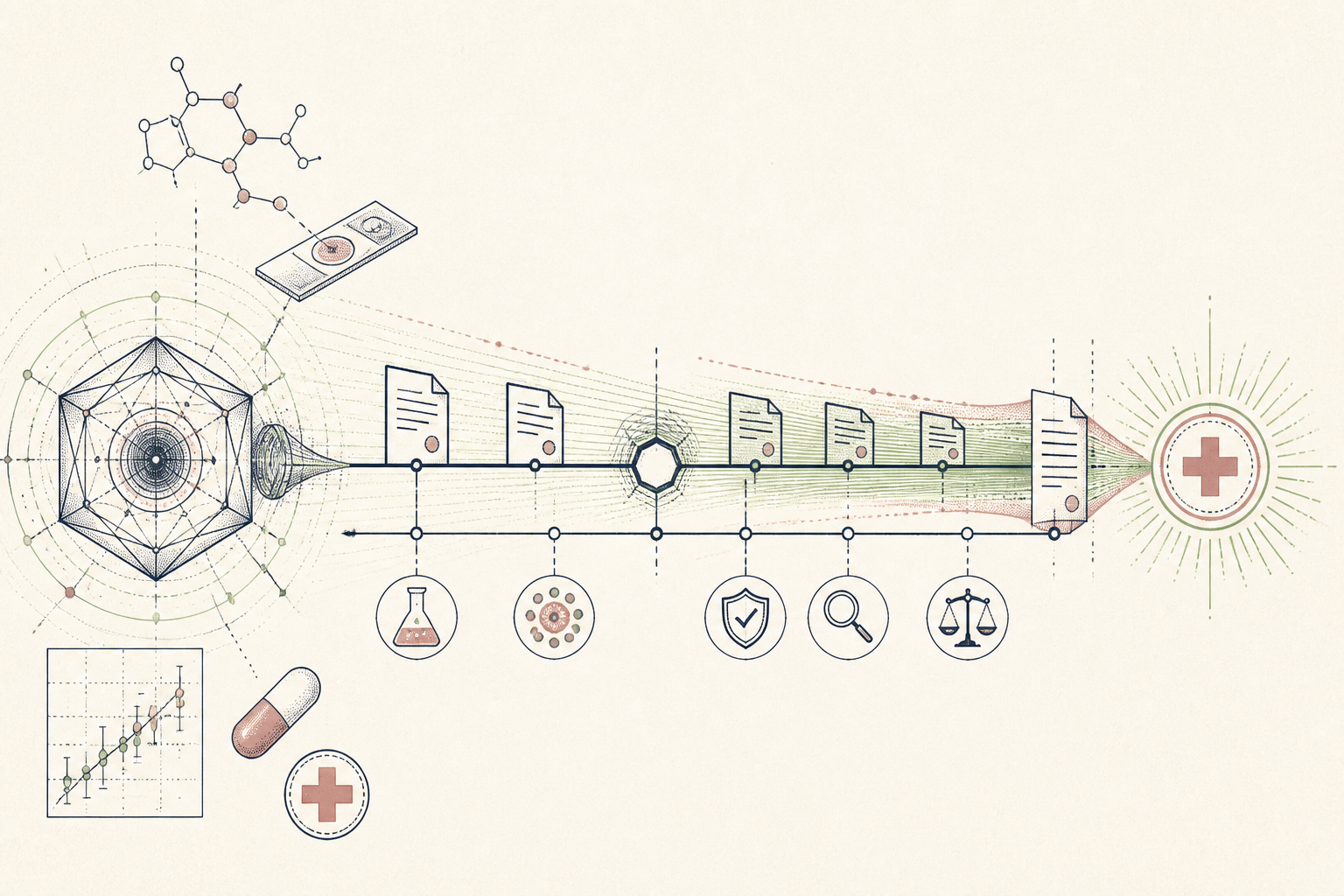
6 minAI Shortens Drug Development Cycles, Accelerates Patient Access
AI-driven advancements are poised to expedite regulatory approvals for life-saving cancer therapies, potentially reducing the time from discovery to patient availability.
The integration of AI into drug development and regulatory processes signals a shift towards faster access to critical treatments, impacting the personal health timeline for individuals facing serious diagnoses. This acceleration means earlier interventions and potentially improved outcomes.
 5 min
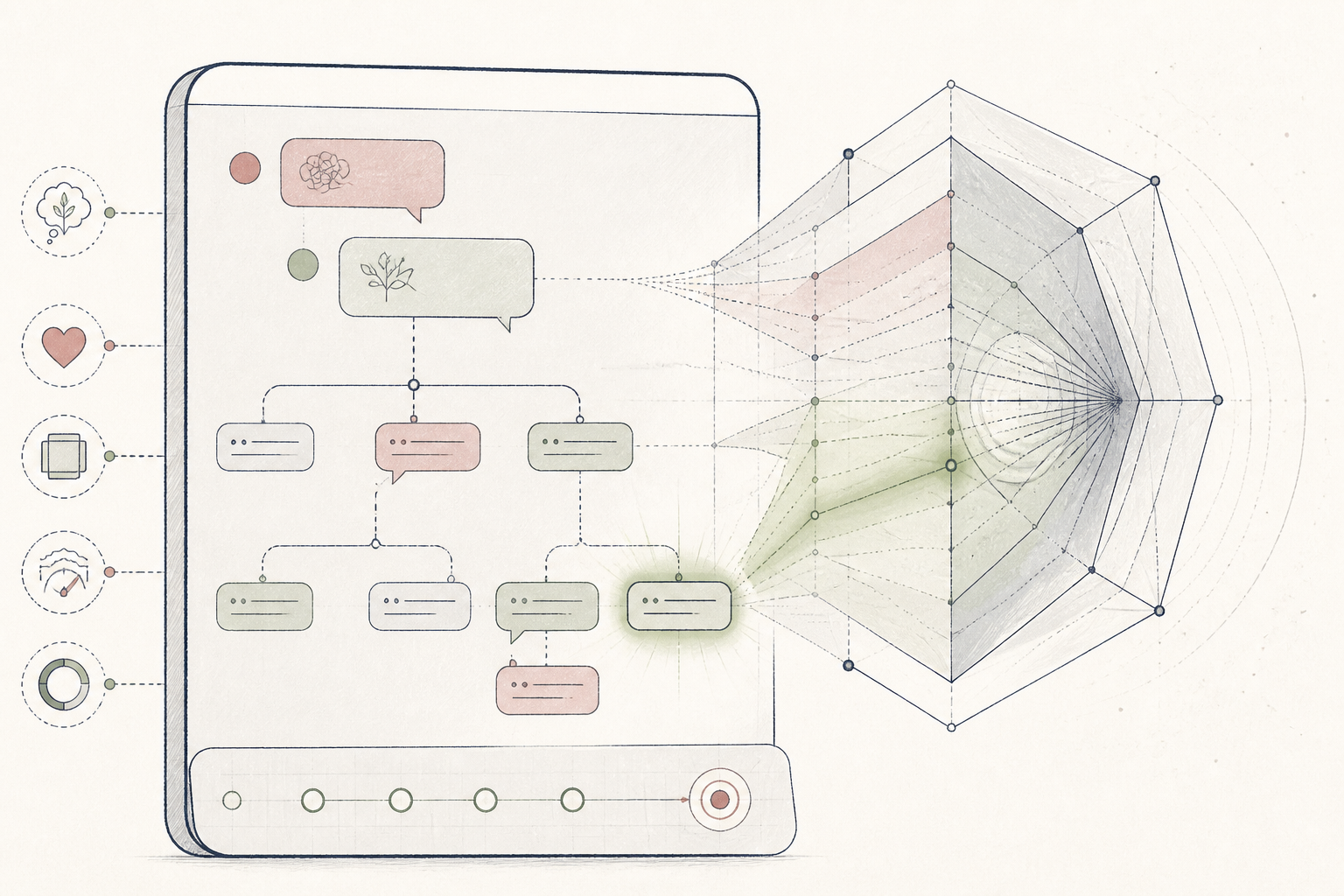
5 minAI's Consciousness Question Reshapes Digital Mental Health
Distinguishing genuine AI consciousness from advanced programming could fundamentally alter how individuals interact with and trust digital mental wellness platforms.
The emerging discussion around AI's capacity for consciousness directly influences the perceived efficacy and ethical boundaries of AI-powered mental health support, shifting expectations from tool-like utility to potential companionship or deeper therapeutic engagement. This impacts user reliance and the very definition of 'care' in digital contexts.
 5 min
5 minGait Analysis Meets AI: Early Warnings for Neurological Health
New wearable insoles tracking real-time gait offer a critical, early data stream for managing neurological and musculoskeletal conditions, enhancing proactive health interventions.
The integration of AI into everyday wearables like smart insoles moves health monitoring beyond simple metrics, enabling continuous, nuanced data collection that can signal subtle changes indicative of disease onset or progression. This shift transforms passive data collection into active, predictive health intelligence for individuals and practitioners.
 5 min
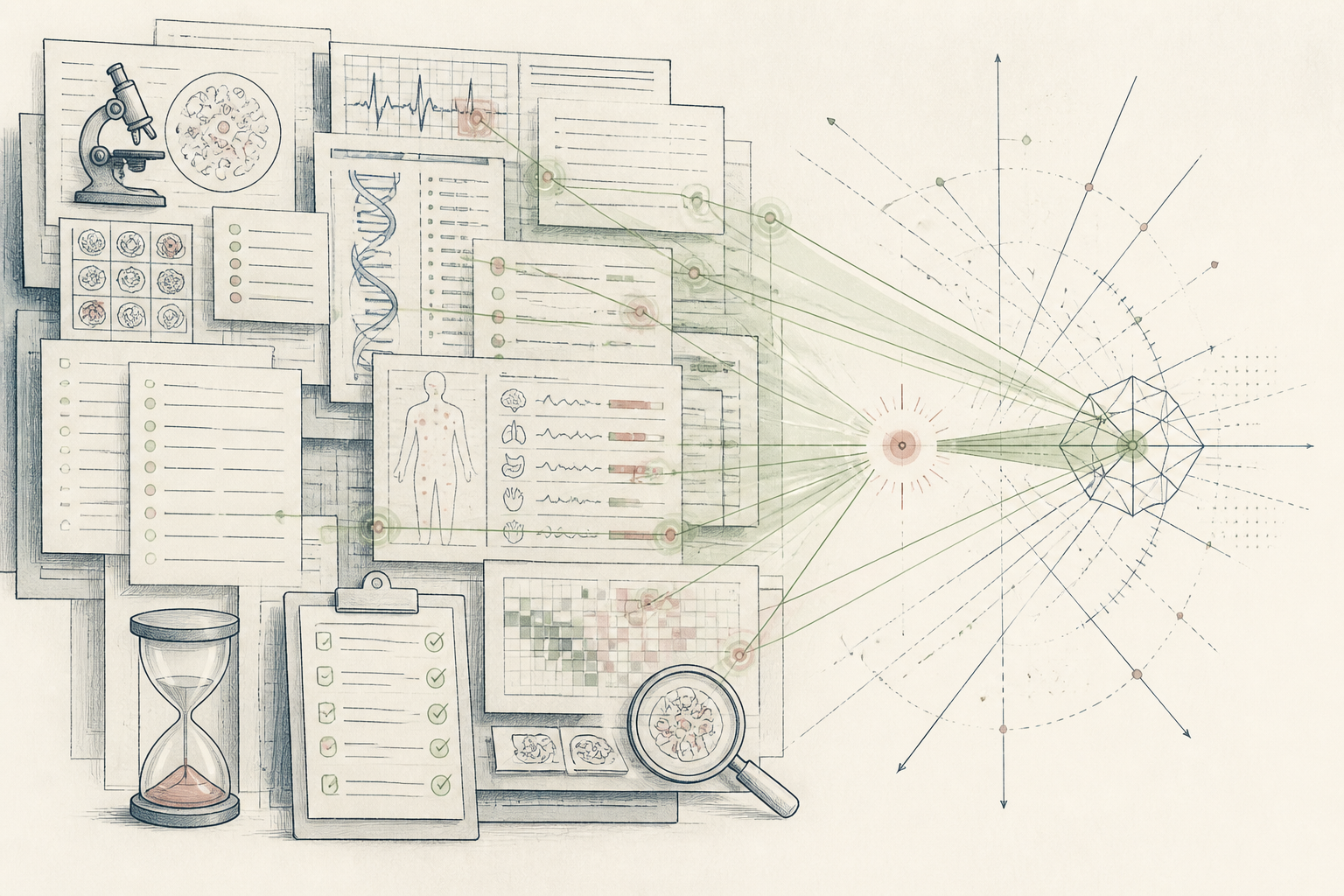
5 minAI's Diagnostic Promise: Accelerating Rare Disease Identification
AI's capacity to process complex data sets offers a crucial advantage in shortening the agonizing diagnostic odysseys faced by individuals with rare conditions.
AI models can sift through vast medical records, genetic data, and symptom patterns with unprecedented speed, flagging potential rare diseases much earlier than conventional methods. This shift reduces the prolonged uncertainty and medical costs associated with delayed diagnoses.
 5 min
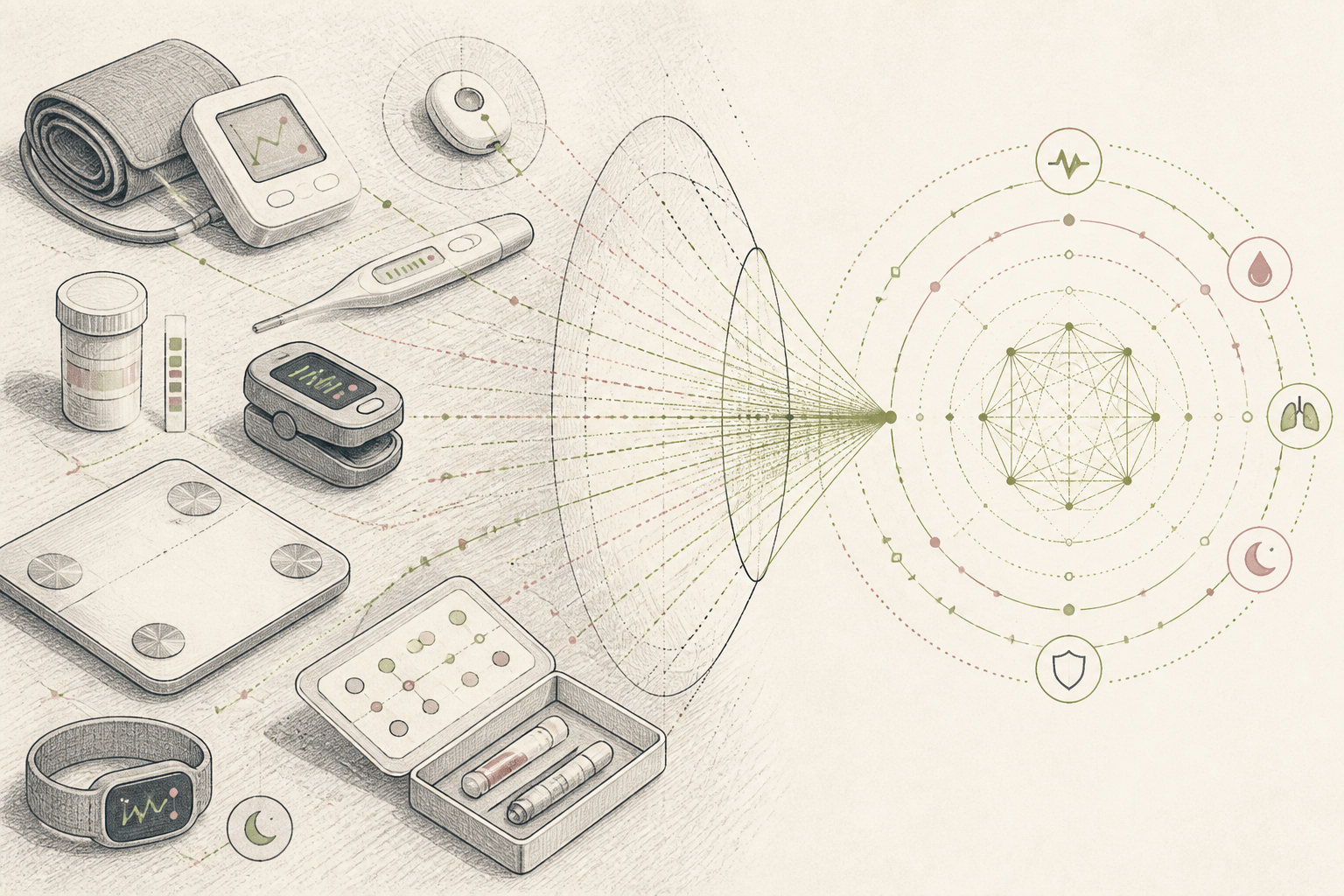
5 minDecentralizing Health Data: The Over-the-Counter Diagnostic Shift
The shift towards accessible, non-prescription health monitoring tools fundamentally changes how individuals track and manage their health data, impacting the diagnostic landscape.
Wider availability of tools like continuous glucose monitors and at-home tests moves primary health data generation from clinical settings to personal environments. This democratizes initial data collection, but introduces new challenges for interpretation and integration into a coherent health picture.
 5 min
5 minAI Elevates Diagnosis and Monitoring Beyond the Clinic
AI's capacity for pattern recognition across diverse data streams is extending clinical-grade health insights into everyday life, offering earlier detection and personalised care.
The shift means health monitoring moves beyond episodic clinic visits, using everyday data to flag early-stage conditions and refine chronic disease management, making health insights more continuous and personal.
 5 min
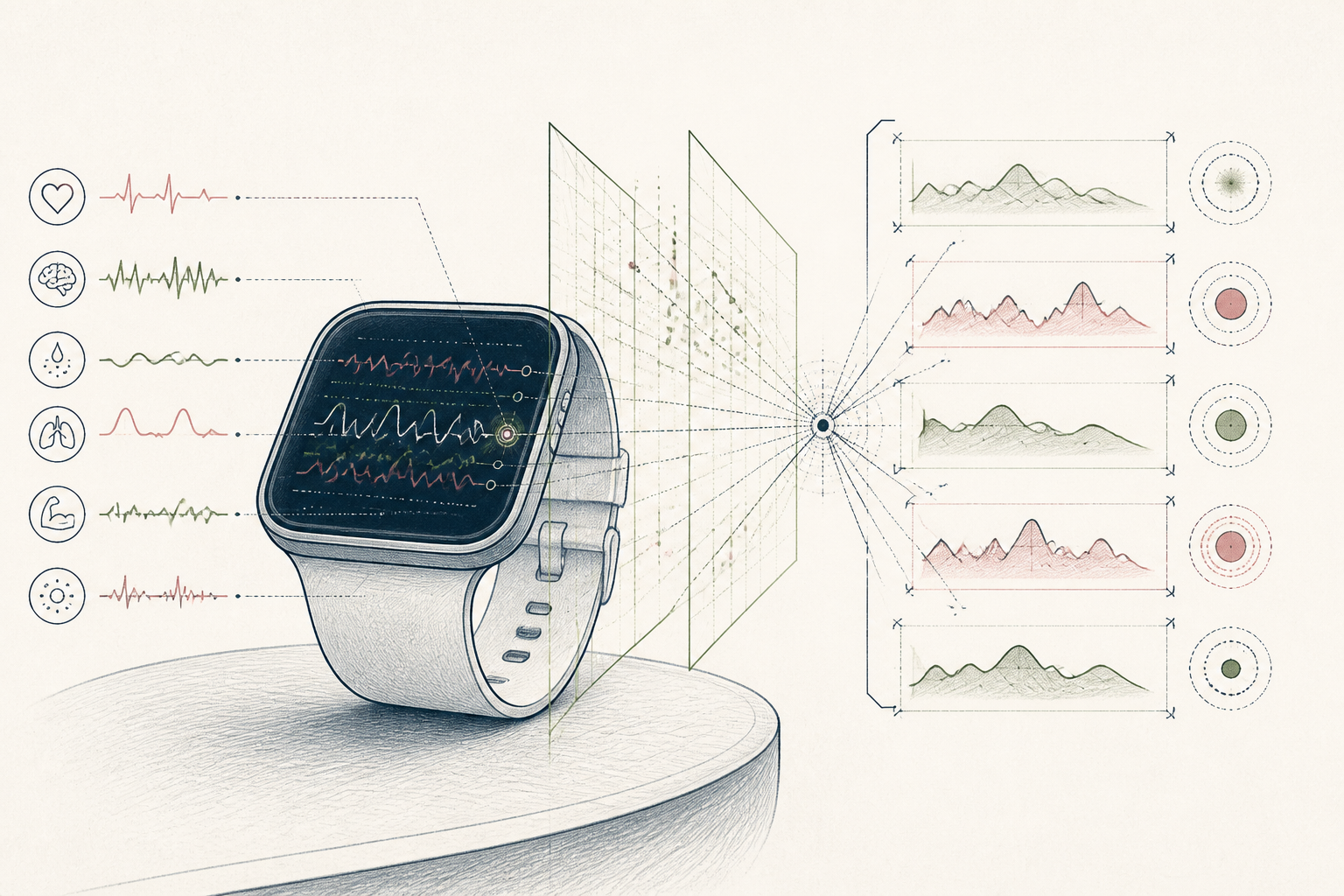
5 minWearables x AI: Decoding the Body's Emotional Language for Health
Novel wearable sensor technologies, powered by AI, are beginning to detect subtle physiological cues to identify genuine human emotions, significantly expanding the scope of personal wellness management and mental health support.
This convergence allows for a deeper, objective understanding of internal emotional states, moving beyond self-reported wellbeing to provide actionable, real-time insights that can inform personalised mental and physical health interventions.
 6 min
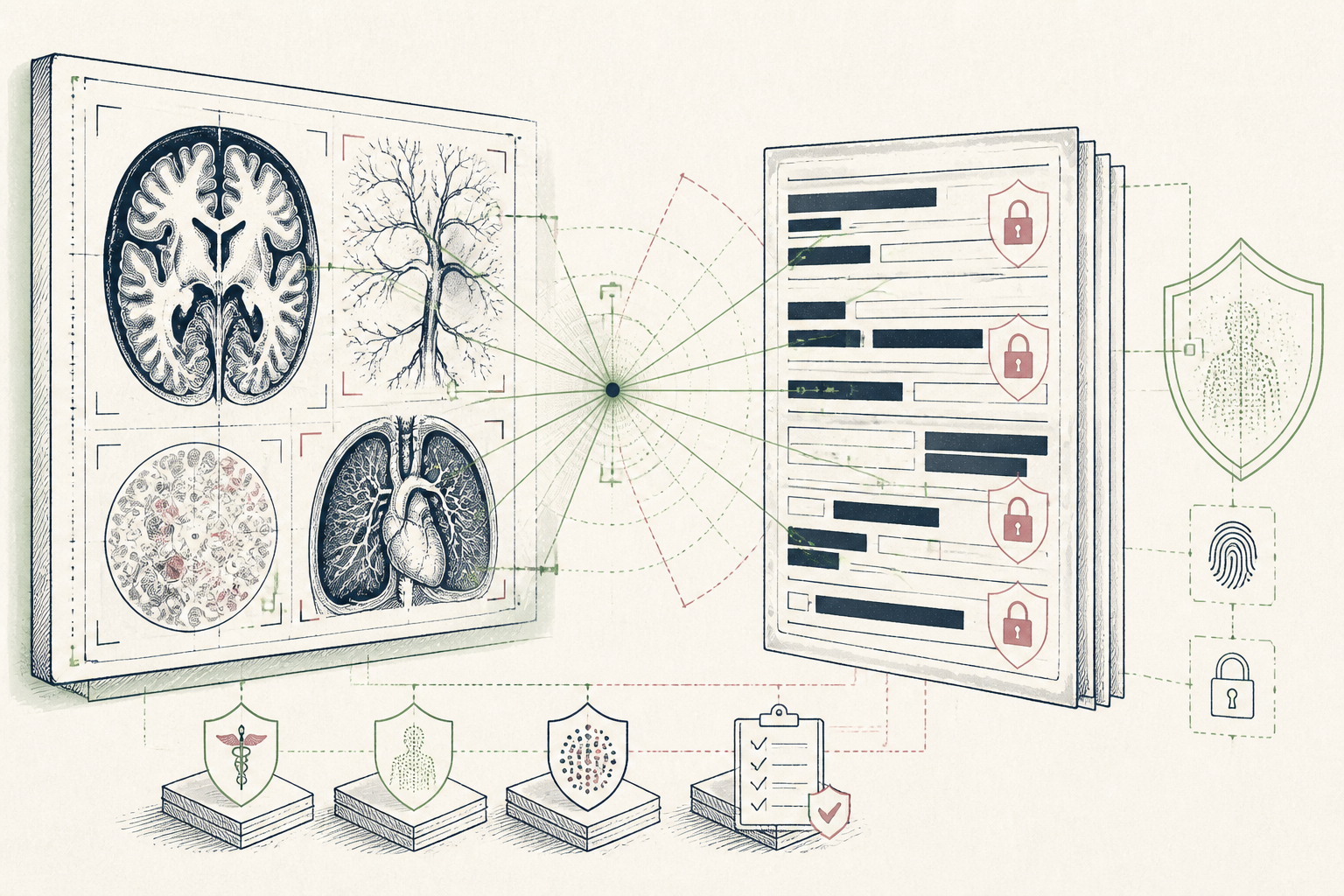
6 minAI's Diagnostic Double-Edged Sword: Precision vs. Privacy in Health Data
AI-driven diagnostics promise unparalleled precision in identifying health conditions, but this advancement introduces complex privacy challenges, particularly for sensitive health data.
While AI holds immense potential to refine disease detection and enhance individual health outcomes, the collection and analysis of highly personal health information demand robust, transparent privacy safeguards that prioritise the individual.
 6 min
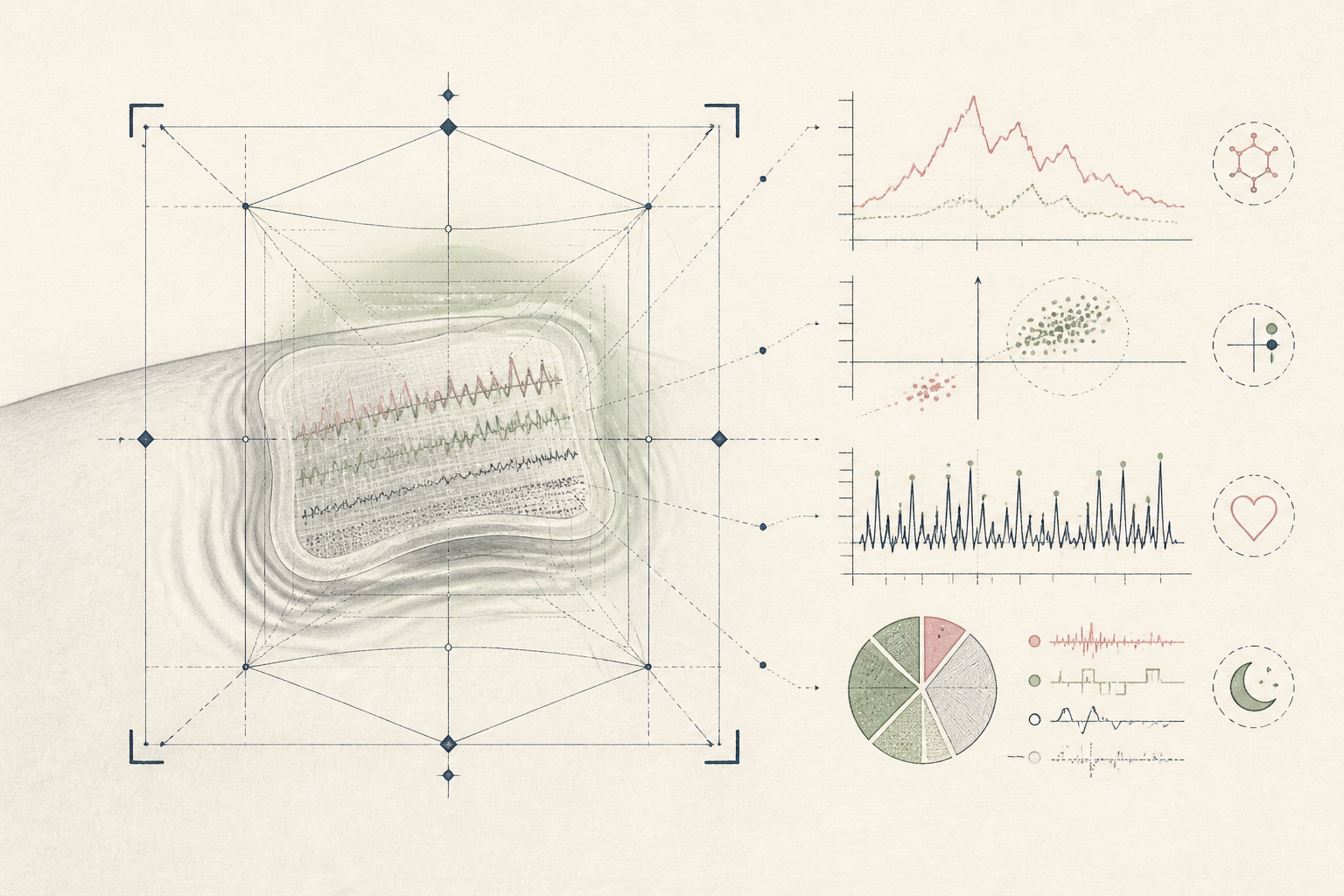
6 minEmotional AI: The Rise of Unfiltered Health Data
A new sticker technology measures true emotional states, offering a unique, unfiltered data stream for mental health and personal wellness.
Direct physiological monitoring of emotions provides an objective layer to subjective self-reporting, enabling more precise mental health diagnostics and personalized wellness interventions than previously possible.
 5 min
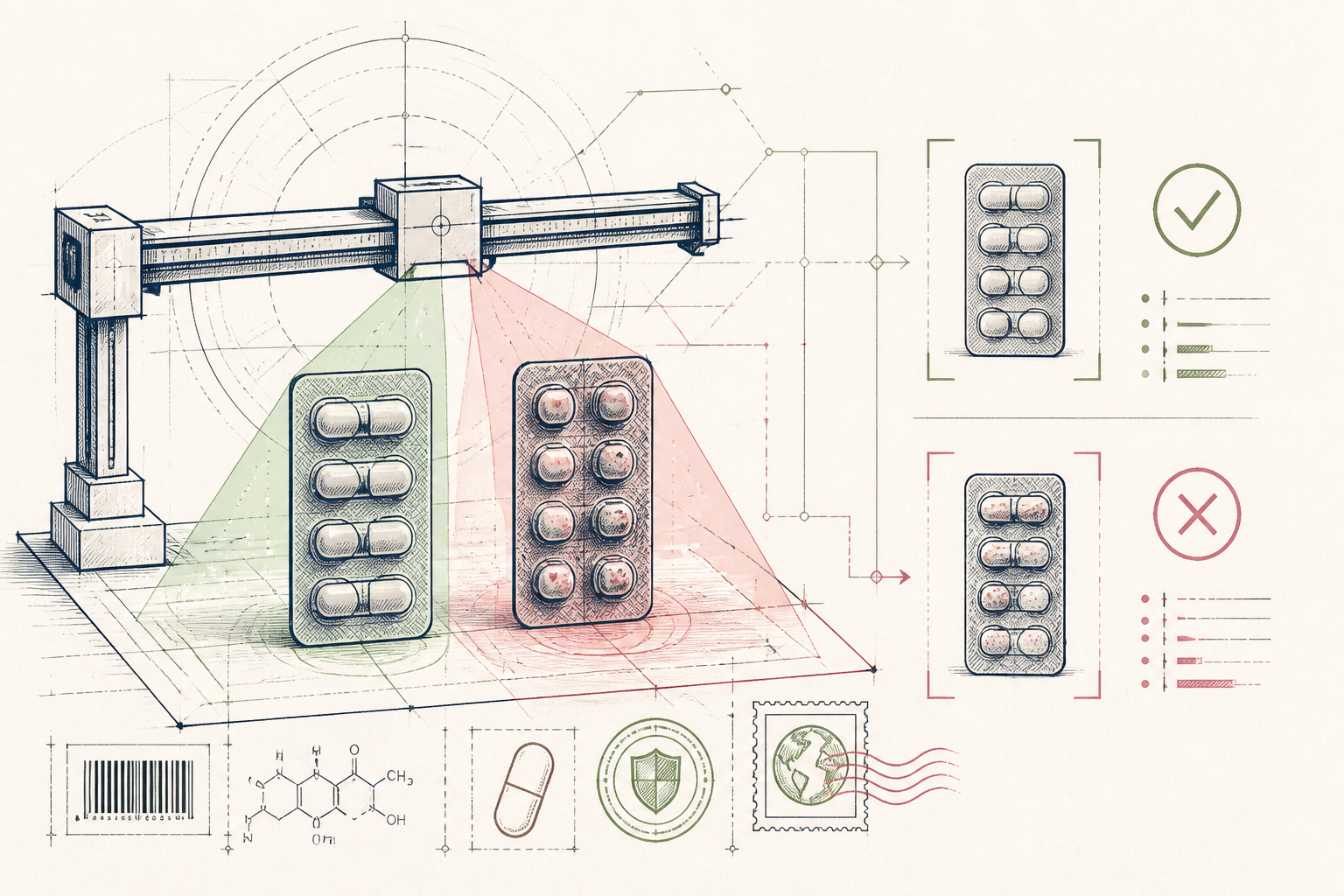
5 minAI's Invisible Hand: Ensuring Drug Access and Safety
New FDA initiatives show AI's role in securing medical supply chains and safeguarding public health from illicit, harmful products.
Leveraging AI for pharmaceutical oversight promises more reliable access to essential medications and proactive protection against dangerous counterfeits or unregulated goods, directly impacting individual wellness and safety.
 4 min
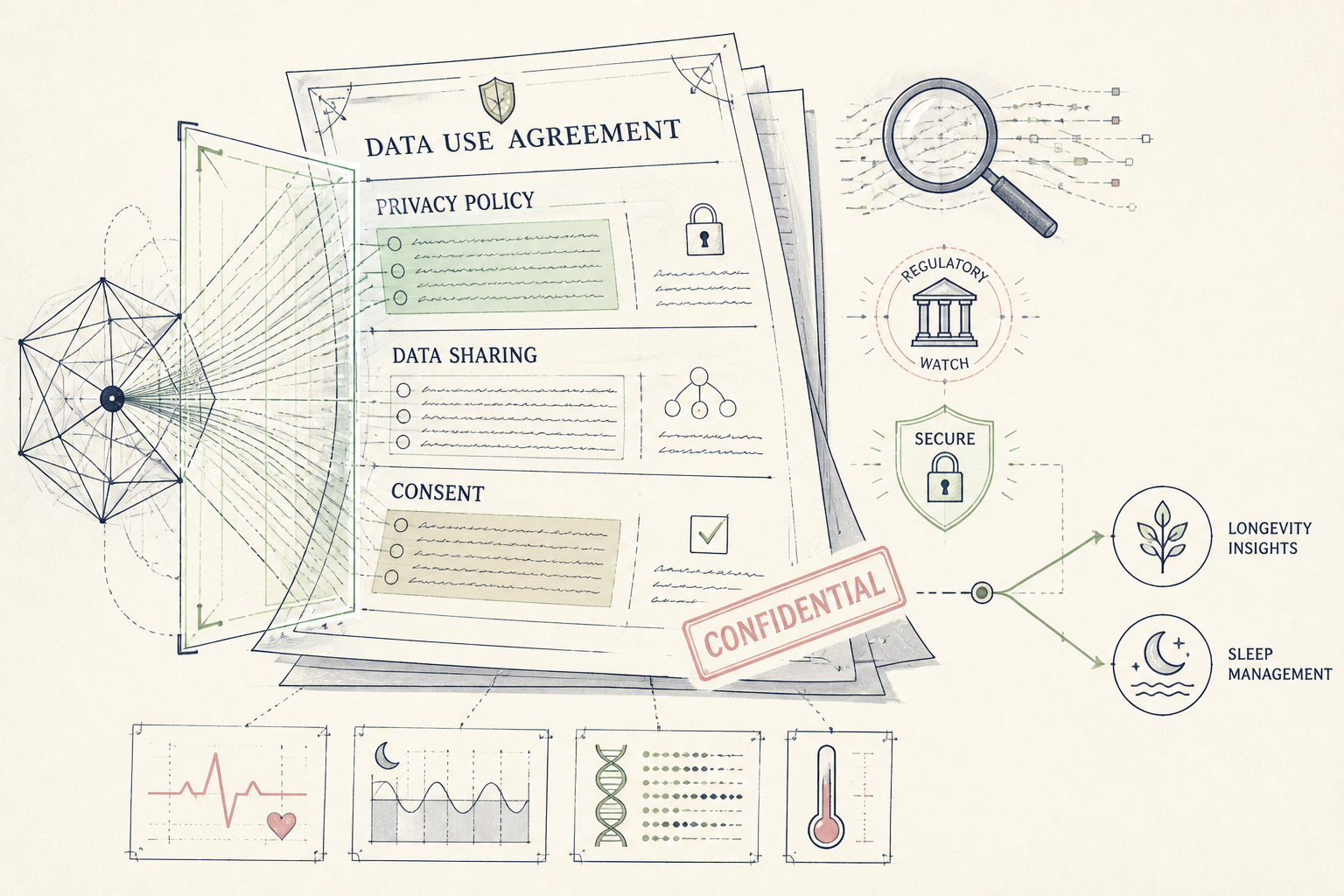
4 minAI's Data Ethics: Sleep, Longevity, and Regulatory Scrutiny
Growing concern over health data privacy, evidenced by Dr. Fauci's probe, directly impacts AI's ability to offer personalized longevity solutions like heatwave sleep management.
The ethical collection and secure handling of personal health data are foundational to AI's promise in personalized longevity and wellness. Individuals must understand the data exchange involved when participating in AI-driven health interventions, especially those drawing correlations from diverse, sensitive inputs.
 4 min
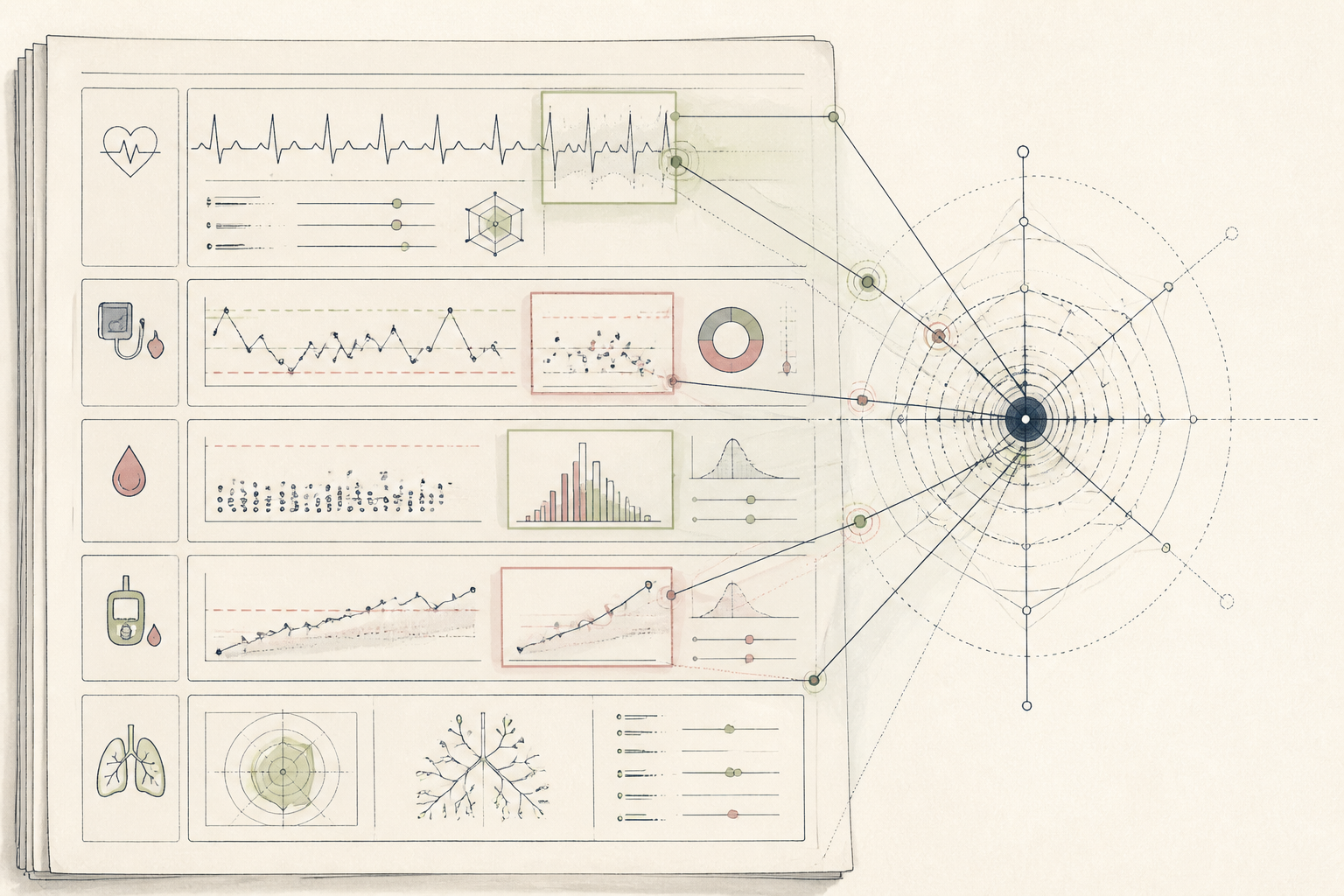
4 minSpecialized AI: The Quiet Revolution in Wellness
While general AI captures headlines, specialized AI models are quietly making tangible improvements across diagnostics, preventive care, and personalized health.
The real impact of AI on individual wellness will come from highly focused applications tailored to specific health challenges and data sets, enhancing effectiveness and accessibility without requiring 'human-level' intelligence.
 5 min
5 minData-Driven Wearables Bridge Exercise Plateau for Chronic Conditions
Integrating advanced sensor data with AI analysis can identify when exercise alone is insufficient for chronic conditions, guiding timely, personalised interventions.
My analysis suggests that for individuals with conditions like severe arthritis, AI-powered wearables will move beyond activity tracking to offering diagnostic insights, signalling when conventional approaches reach their limits. This shift promises to prevent prolonged suffering and enhance treatment efficacy for complex health profiles.
 6 min
6 minAI Elevates Dementia Care: Earlier Detection, Sharper Insights
Early successes in Alzheimer's treatment trials signal a future where AI significantly advances dementia care through earlier, more accurate diagnostics.
AI's capacity for pattern recognition across vast datasets means it can identify subtle markers of neurodegenerative diseases far sooner than traditional methods. This shift will enable proactive care, potentially slowing progression and improving patient quality of life by intervening at the nascent stages of disease.
 6 min
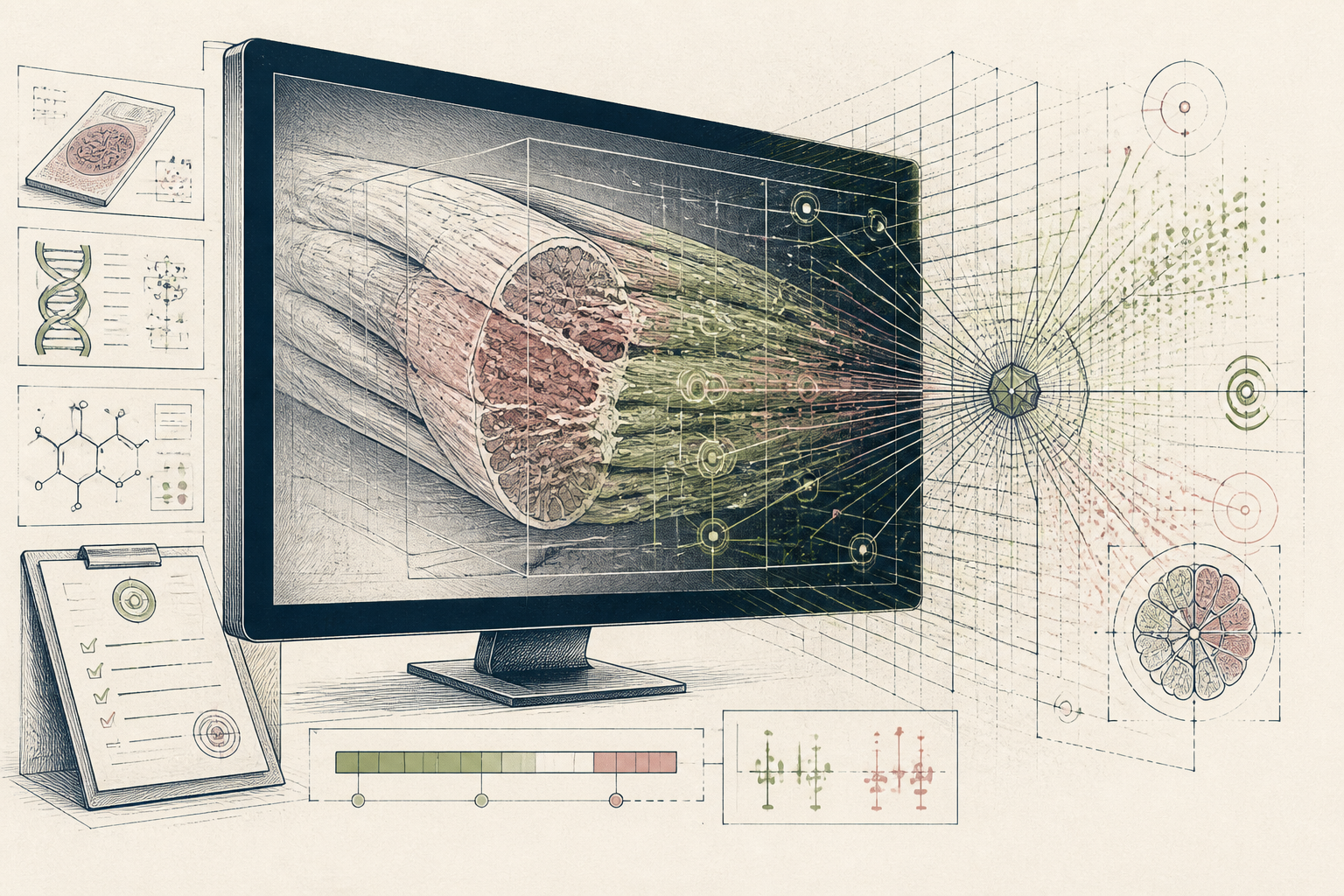
6 minAI's Role in Diagnosing Drug Efficacy: A New Regulatory Frontier
As regulatory bodies question drug efficacy, AI's data-driven methods for discovery face increased scrutiny regarding transparency and true patient benefit.
The integration of AI in pharmaceutical research promises accelerated drug development, but the focus on data integrity for Duchenne treatments highlights the necessary balance between speed and validated outcomes for patient health.
 6 min
6 minClosing the Loop: AI on Your Body, In Your Brain
New sensor technologies are miniaturising and contextualising health monitoring, moving AI from abstract data analysis to direct physiological insights.
Integrating hair-thin brain sensors and smart fabrics with AI moves health data closer to the source, enabling more continuous, less intrusive personal health oversight.
 6 min
6 minProactive Health Monitoring Drives Personalized Longevity
New diagnostic and monitoring technologies are shifting health management from reactive treatment to proactive, personalized care.
Integrating advanced diagnostics and continuous wearable data enables individuals to anticipate health risks and sustain cognitive and physical vitality over longer lifespans, moving beyond generic health advice.
 6 min
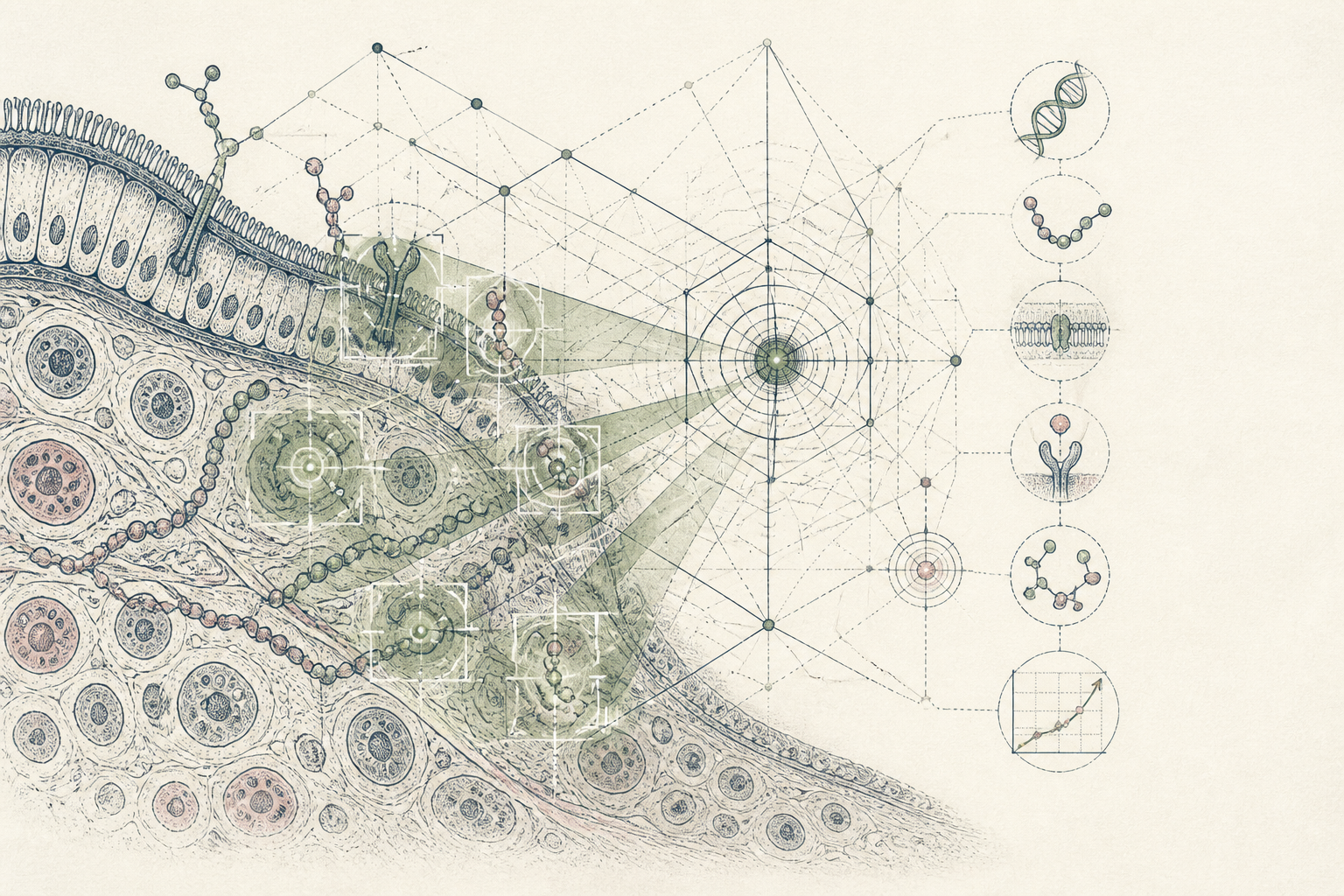
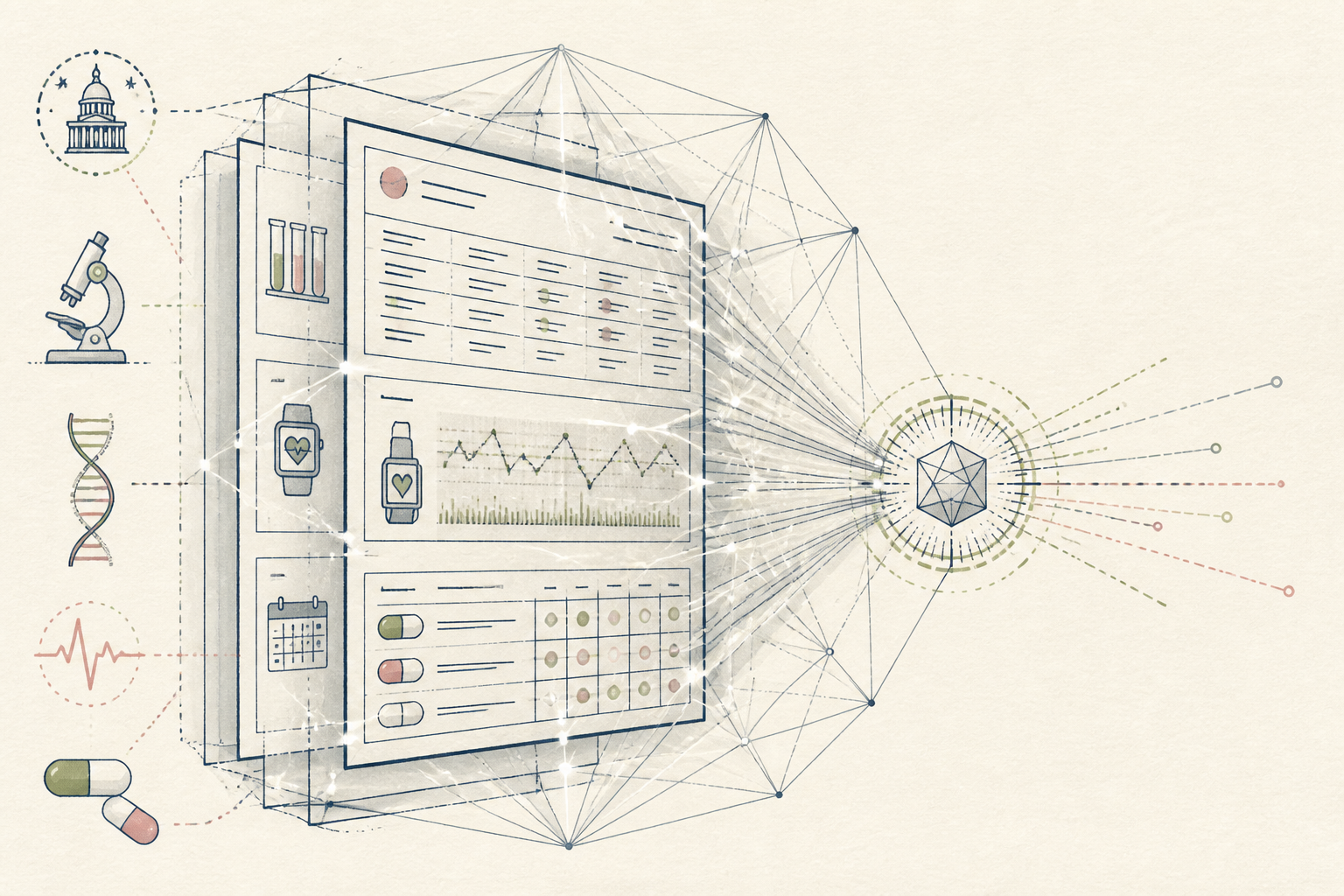
6 minPrecision Prevention: AI-driven peptides set to reframe health
AI's integration with peptide research promises a future where health interventions are tailored to individual biology, shifting care from reactive treatment to proactive prevention.
The confluence of advanced peptide diagnostics and intelligent computing presents a significant opportunity to move beyond generalized health recommendations. This shift will enable far more specific, biologically informed strategies for maintaining wellbeing and preventing illness.
 6 min
6 minAI: The New Frontier in Personalised Health and Diagnostics
Increased federal support for AI in health research and rapid diagnostic technologies points to AI as a core component of future personalised wellness interventions.
The confluence of policy, processing power, and novel sensing technologies means AI is poised to move beyond a supporting role to directly shape individual health plans and diagnostic pathways. This shift will make health insights more granular and immediate.
 5 min
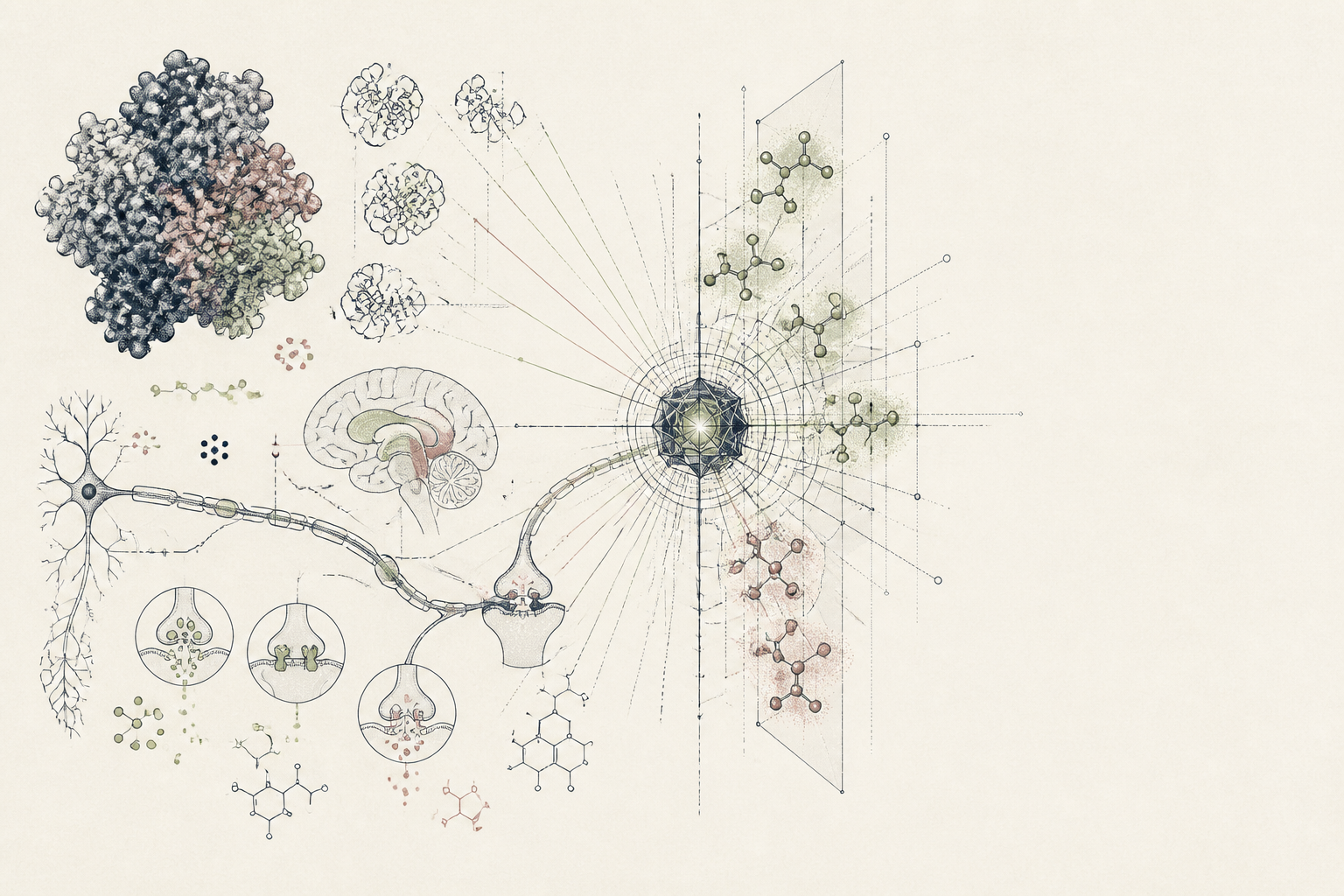
5 minMimicking Mind: AI's Biological Blueprint for Health Insights
AI models are leveraging biological principles to enhance diagnostic accuracy and predict health risks, particularly in vulnerable populations.
The advancement of artificial neurons that mimic the human brain's processing promises a new generation of AI, offering unprecedented precision in health diagnostics and personalized care while highlighting the dual nature of AI's data demands: both powerful and privacy-intensive.
 6 min
6 minAI & Bioengineering Converge: Precision Therapies for Neurological Health
Advanced AI models are streamlining drug creation and neuro-implants are offering new methods of intervention, promising more targeted approaches to chronic disease and mental well-being.
The integration of AI in drug design, coupled with novel bioengineering solutions like brain implants, points to a future where medical interventions are increasingly precise, personalized, and proactive. This means treatments for complex conditions could move from broad-stroke approaches to highly specific, data-driven interventions at the cellular and neural level.
 6 min
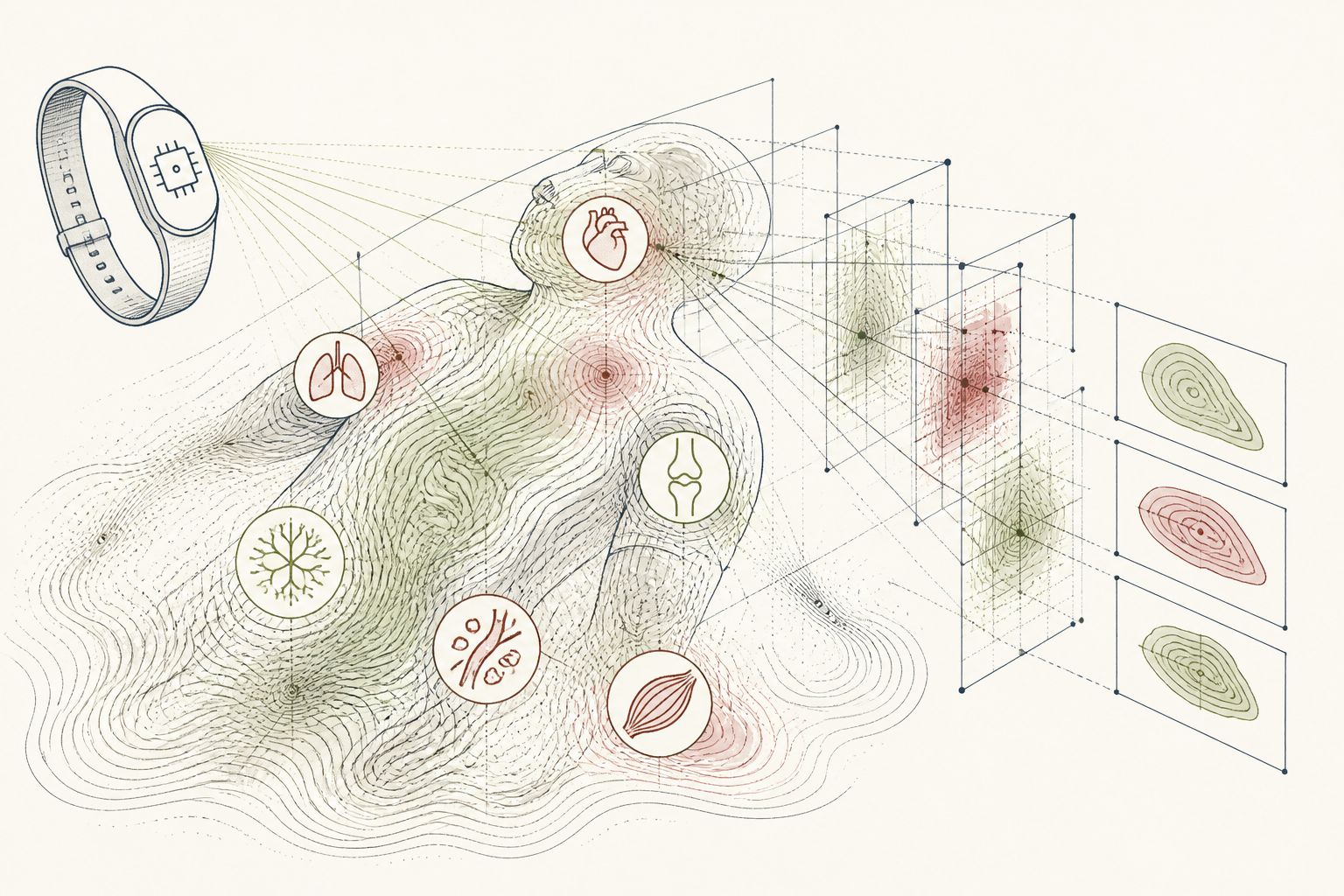
6 minNeuromodulation: Reprogramming the Mind with Digital Precision
The convergence of psychedelic therapy's brain plasticity with direct neural interfaces and advanced materials signifies a new frontier in mental health, transitioning from chemical modulation to AI-orchestrated neural reprogramming.
By combining the brain-remodeling effects of compounds like psilocybin with precise AI-driven neural stimulation via implantable devices, a new paradigm emerges for mental health treatments that target and reshape entrenched thought patterns.
 5 min
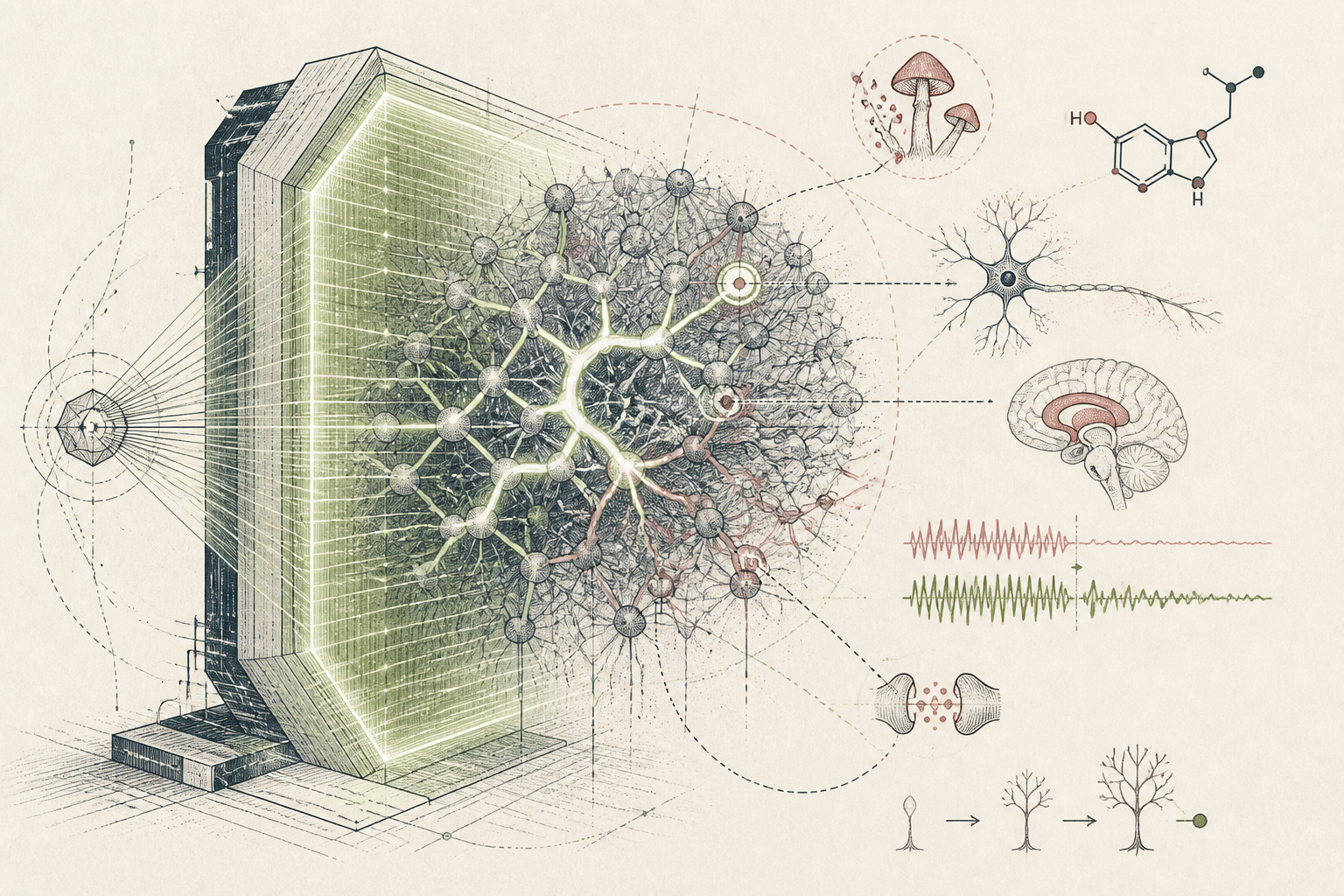
5 minAI's Eye on the Body: A New Spatial Reality for Health Data
New chip-based lidar technology offers devices unprecedented spatial awareness, ushering in an era of richer, more precise health monitoring data.
This breakthrough will transform how health AI perceives and interacts with the physical world, moving beyond flat data points to contextualised spatial information, making remote diagnostics and assistive technologies more accurate and impactful.
 6 min
6 minPsychedelics & Neural Remapping: AI's Role in Mental Reintegration
Single psilocybin doses reorganizing brain activity for weeks could, with AI insights, enable targeted therapeutic interventions for long-term mental well-being.
The brain-rewiring effects of psychedelics, when mapped and understood by AI, could offer personalized pathways to break entrenched thought patterns, fostering deep mental health shifts beyond current pharmacological approaches.
 5 min
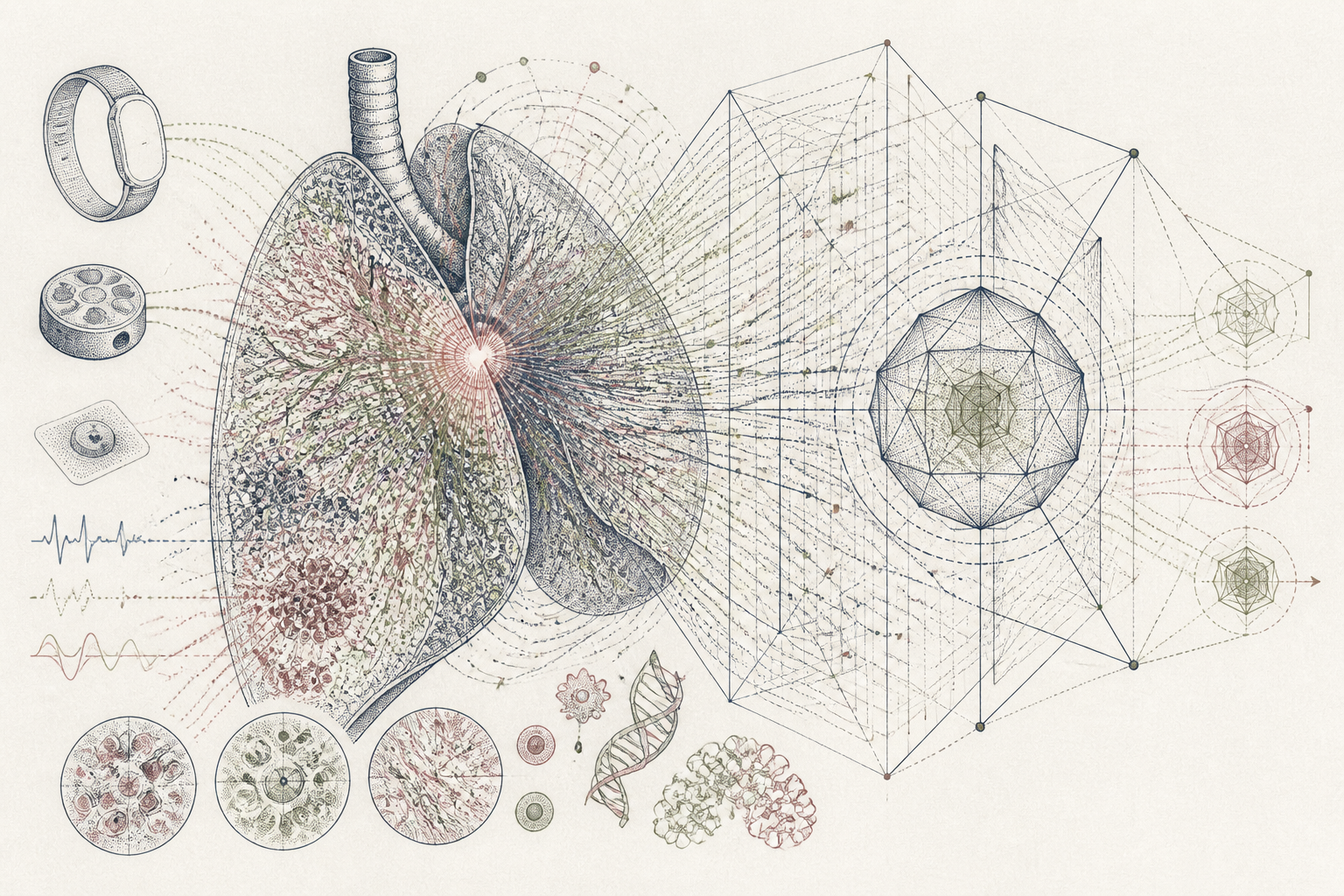
5 minAI's Diagnostic Leap: From Data to Deeper Understanding of Disease
New AI architectures and advanced sensing technologies promise to enhance medical diagnostics significantly, moving from pattern recognition to building a profound understanding of disease processes.
Integrating 'World Models' within AI for diagnostics, coupled with sophisticated bio-sensing, will allow personalized health insights at an unprecedented scale, transforming early disease detection and treatment planning. This shift moves AI beyond correlation to causation, providing a more robust basis for clinical decisions.
 6 min
6 minAI Aids Personalized Diagnostics, Predicting Disease & Treatment
Artificial intelligence is shifting diagnostics from broad recommendations to tailored, individual insights, improving early detection and treatment efficacy.
AI's ability to process complex data sets will allow for earlier, more precise identification of health risks like cancer and the customization of treatments for conditions such as Alzheimer's, moving wellness towards hyper-personalized health management.
 5 min
5 minAI Elevates Precision & Speed in Personalized Disease Care
Artificial intelligence is streamlining the identification and response to health threats, from outbreaks to individual cancer risks, ushering in a new era of tailored health interventions.
This shift means individuals will increasingly benefit from health strategies designed not for a general population, but for their unique biological profile, leading to more effective and less invasive care.
 6 min
6 minAI: The New Frontier in Precision Medicine and Mental Health Innovation
Advanced AI processing of biological data is accelerating the discovery of treatments for rare diseases, while also offering new models for understanding complex brain functions in mental wellness.
AI's capacity to sift through vast datasets moves us closer to highly individualized health solutions, offering hope for conditions previously deemed untreatable and refining our approach to mental health interventions.