Quantum AI Redefines Diagnostic Accuracy and Drug Discovery
Improved quantum computing stability offers a leap in AI's ability to process complex health data, potentially revolutionizing medical imaging and personalized treatment.
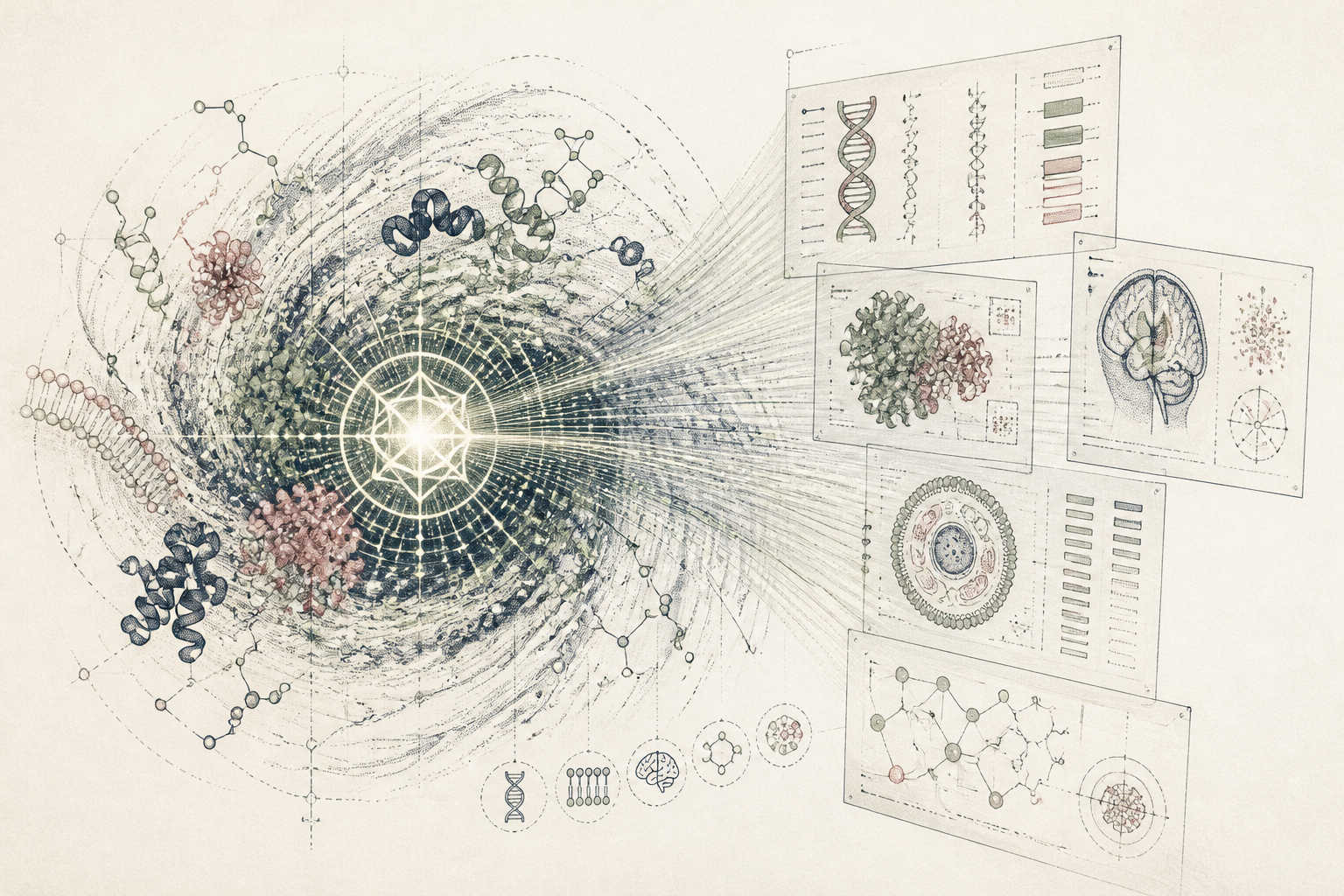
Recent advancements in quantum computer stability hold profound implications for AI's role in health. Quantum computers, with their ability to process vast amounts of data simultaneously, are moving beyond theoretical constructs into practical application. This stability directly impacts the reliability and scale at which AI models can be trained and deployed for complex biological and medical challenges.
From Lab Bench to Patient Bedside
The direct effect on diagnostics is clear. Imagine AI models capable of analyzing medical images—MRIs, CT scans, pathology slides—with a level of detail and speed currently impossible. Quantum stability means these AI systems can handle the 'noise' and variability inherent in real-world clinical data more effectively, leading to earlier and more accurate disease detection. For an individual, this could mean a diagnosis delivered in hours, not weeks, with a higher certainty than ever before, potentially altering treatment pathways significantly.
In drug discovery, the enhanced computational power of quantum-stable AI can accelerate the simulation of molecular interactions. This capability can drastically reduce the time and cost associated with identifying promising drug candidates. Instead of trial-and-error in a lab, AI could model millions of potential compounds against disease targets, predicting efficacy and side effects with greater accuracy. This speed means new treatments reaching patients faster, especially for rare or complex diseases.
The implications for personalized medicine are equally compelling. With stable quantum computing, AI can analyze an individual's genetic profile, lifestyle data, and medical history with unprecedented depth to predict their unique response to various treatments. This moves healthcare from a one-size-fits-all model to truly bespoke interventions, optimizing treatment plans for maximum effectiveness and minimal side effects.
However, this leap in capability introduces new ethical and practical considerations. The sheer volume and sensitivity of data required for such advanced AI models demand robust privacy protections. As AI takes on more complex diagnostic and therapeutic roles, the question of accountability when errors occur becomes paramount. Practitioners will need to understand the limitations and biases inherent in these sophisticated systems, even as they harness their power.
“The stability of quantum operations is not just a technical achievement; it's a foundation for a new era of AI-driven health solutions.”
For individuals, the agency shifts towards a greater understanding of their own data's value and vulnerability. Engaging with healthcare providers about how quantum-AI tools are used and questioning the 'why' behind a recommendation will be increasingly important. For policymakers, the challenge lies in creating agile regulatory frameworks that can keep pace with this rapid technological evolution without stifling innovation or compromising patient safety and privacy.