Legitimacy in the Feedback Loop: Beyond Privacy to Provenance
The convergence of strict data protections and diagnostic AI requires a shift from simple data encryption to the verifiable audit of algorithmic health output.
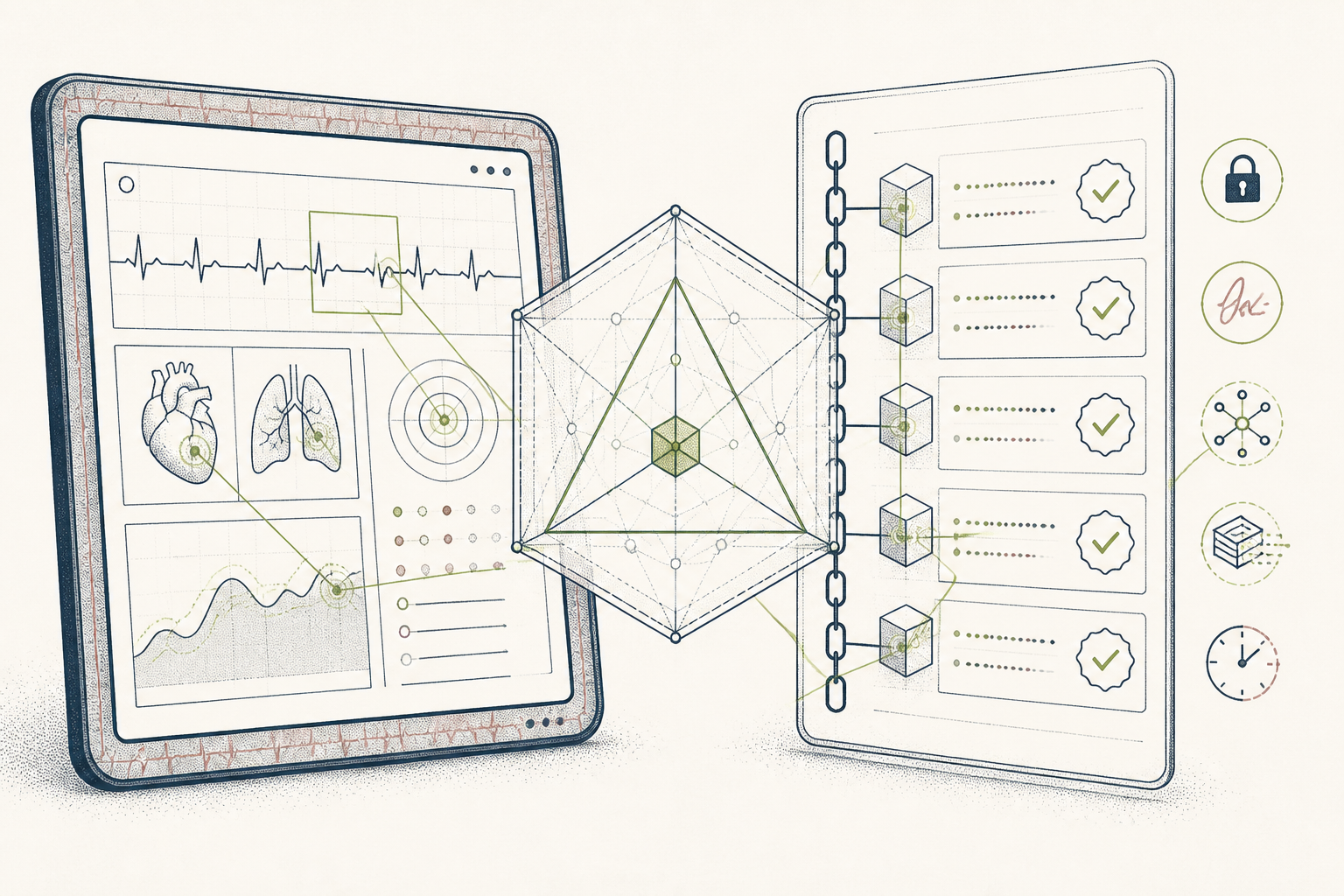
The era of collecting biometric data for collection's sake has ended. While the previous decade focused on the plumbing—how to move data from a wrist-worn sensor to a cloud database—the current shift focuses on the integrity of the interpretation. Regulatory frameworks are no longer satisfied with mere encryption; they are beginning to scrutinize the provenance of the insight itself.
The Shift from Storage to Logic
For the individual navigating longevity and chronic health management, the primary risk has migrated. The threat is no longer just a data leak; it is the silent failure of a diagnostic model that misinterprets heart rate variability or glucose fluctuations. When an AI model dictates a change in supplement timing or exercise intensity, the 'right to explanation' moves from a legal theory to a biological necessity.
Practitioners are finding themselves in a new position of liability. Relying on opaque health-app outputs is becoming a professional risk. In the European context, the intersection of AI acts and health data spaces suggests that metadata must now include the 'how' and 'why' of an AI's decision, creating a new standard of evidence for digital health tools.
“Trust in a wellness tool is now a function of its transparency under audit, not the smoothness of its interface.”
Computational Accuracy as a Wellness Metric
We are moving toward a period where 'algorithmic reliability' becomes a key health metric, similar to a blood pressure reading. Clinics and payers are increasingly skeptical of proprietary 'black box' models. They are instead demanding visibility into the training sets to ensure that a diagnostic tool trained on one demographic does not provide dangerous feedback to another.
This scrutiny brings an honest trade-off: higher barriers to entry for new wellness tech may slow the pace of available 'hacks,' but it increases the safety floor for the interventions that do reach the consumer. It prevents the dilution of health data into meaningless noise.
Ultimately, the agency remains with the individual to demand this provenance. By prioritizing tools that offer data portability and logic transparency, users move from being passive subjects of algorithmic monitoring to active participants in their own data-driven health strategy.