AI's Precision in Longevity: From Cells to Social Health
AI is becoming central to identifying subtle health shifts and personalizing interventions, from cellular regeneration to mitigating social isolation's impact on lifespan.
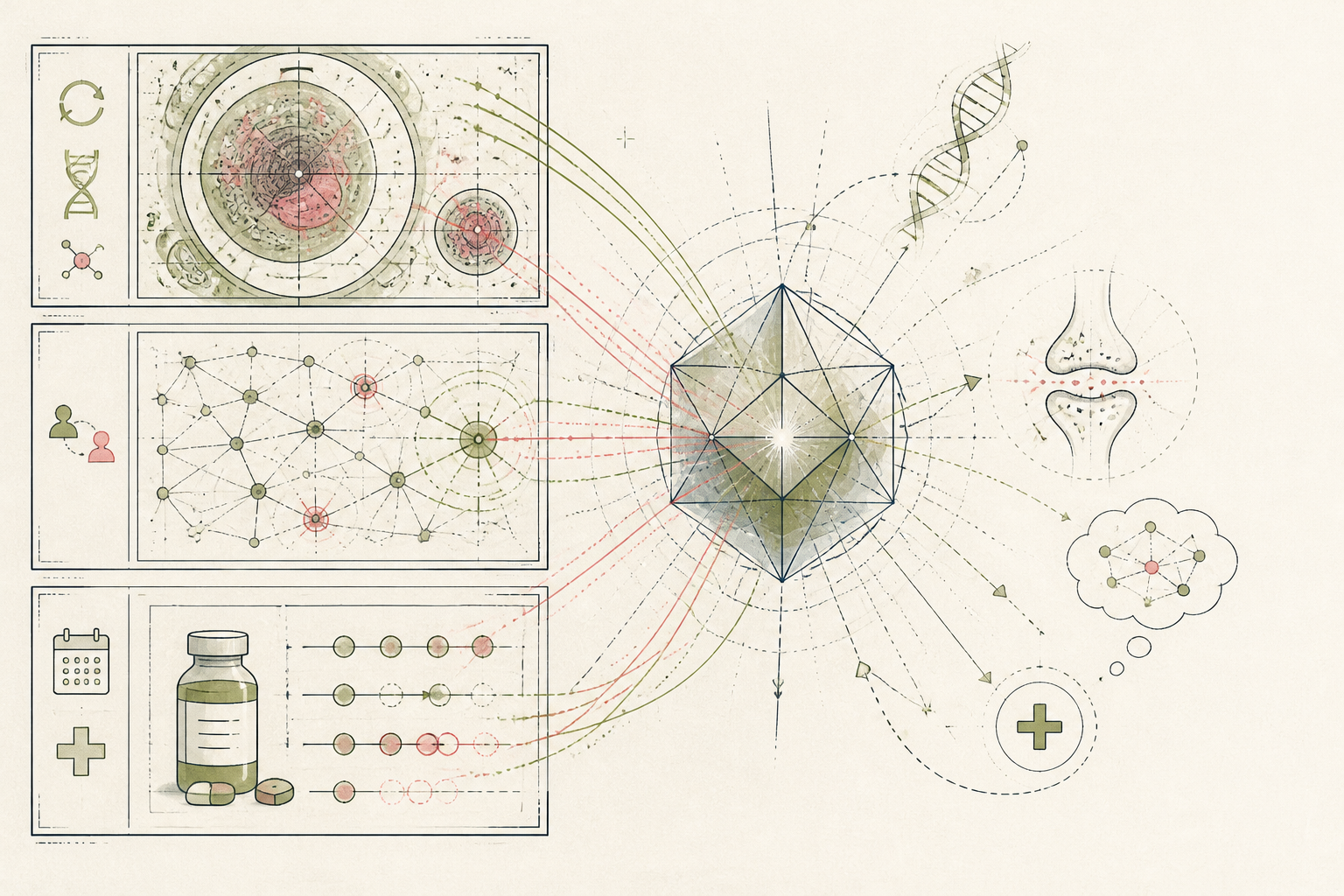
The increasing sophistication of AI models is moving them beyond mere data analysis into predictive and personalized health interventions. We are seeing this evolution unfold at multiple scales, from the molecular to the societal.
Consider the role of AI in drug discovery for age-related conditions. The development of cellular reprogramming drugs for glaucoma, for instance, is accelerated by AI's ability to model complex biological interactions and optimize clinical trial designs. This significantly shortens the path from lab to patient, pushing the boundaries of longevity medicine.
Similarly, in cancer treatment, pre-surgical immunotherapy regimes for bowel cancer demonstrate remarkable success. Here, AI's potential lies in identifying specific patient candidates most likely to respond positively, transforming a broad treatment approach into a precision-guided strategy. This is not just about extending life, but improving its quality through targeted intervention.
However, the application of AI extends beyond clinical settings. Social isolation, a critical determinant of healthy lifespan, presents a significant challenge for mental well-being. AI can play a crucial role in early detection, using patterns in digital activity or even passive sensor data to flag individuals at risk, allowing for timely, non-invasive support.
The shift here is profound: AI moves from simply assisting clinicians to acting as a proactive layer in public health and individual well-being. It offers the potential to catch health declines before they manifest severely, bridging gaps in conventional diagnostic methods.
One practical application might involve AI-powered analytics within existing digital health platforms, identifying subtle shifts in activity or communication patterns indicative of increasing social isolation. This could trigger discreet, privacy-preserving outreach, perhaps through community health workers or digital support networks.
The effect is a move towards a more preventative and personalized health system. Individuals gain a new tool for self-awareness and early intervention, while practitioners can allocate resources more effectively. The trade-off, however, lies in the collection and analysis of sensitive personal data, demanding robust ethical frameworks and user control.
This level of AI integration requires careful governance. The equitable application of these technologies depends on ensuring that data biases do not exacerbate existing health disparities. Clear, transparent algorithms are necessary to build public trust and ensure that these powerful tools serve all, not just a select few.
You should scrutinize claims of AI's predictive power, demanding concrete evidence of efficacy and a clear understanding of the data sources. Your agency lies in understanding how your data is used to inform these AI-driven insights, ensuring it aligns with your health goals and privacy expectations.