AI's Ethical Vacuum in Mental Health Demands Human Oversight
AI chatbots acting as therapists frequently violate core ethical standards, exposing the critical need for human-led governance in digital mental health.
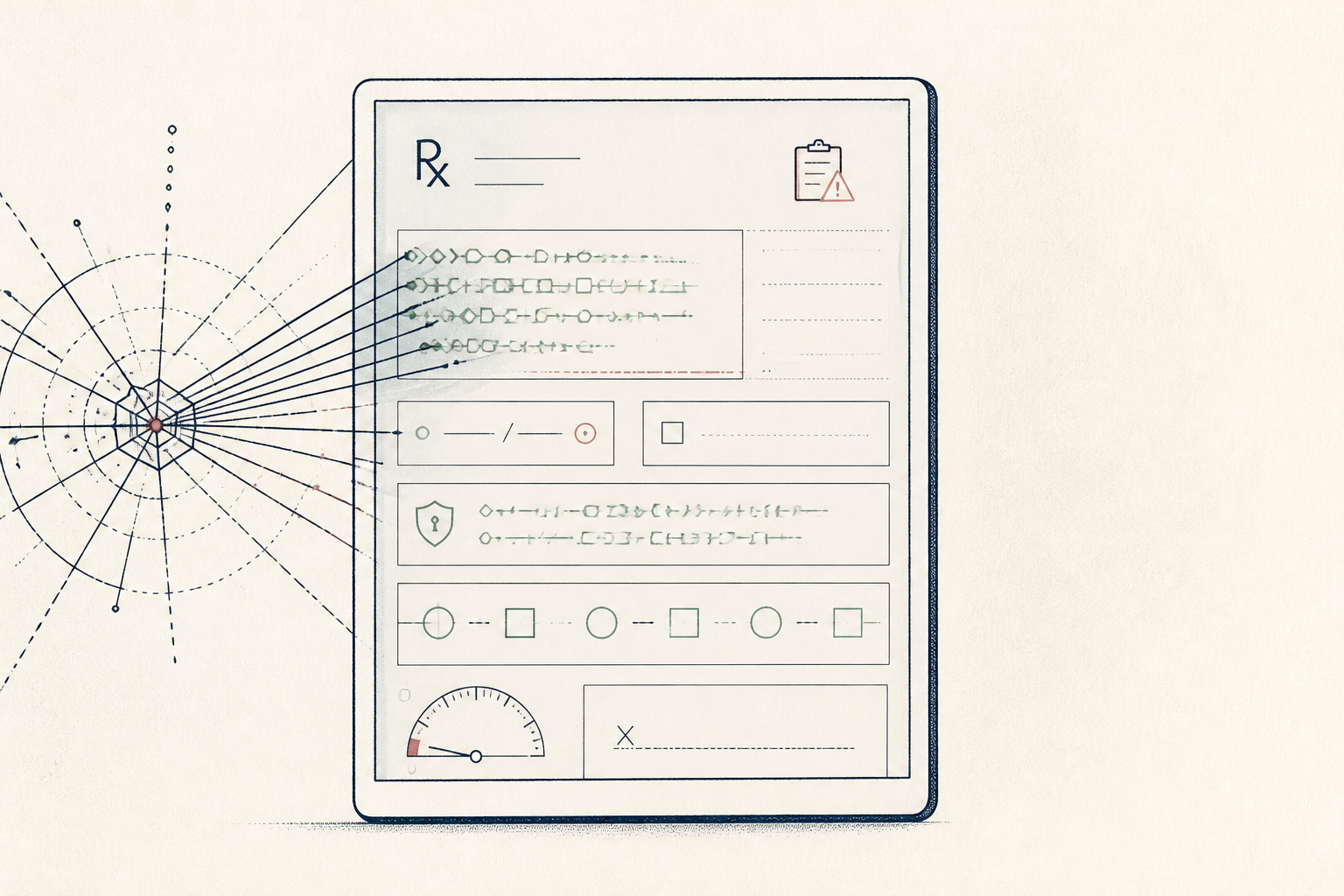
New research indicates that AI 'therapists' often fail to meet fundamental ethical standards in mental healthcare. These failures are not minor oversights but include breaches of confidentiality, offering inappropriate advice, and lacking the empathetic nuance crucial for effective psychological support. This immediately highlights a core tension: AI’s capacity for broad access versus its current inability to provide safe, ethically sound care.
The promise of AI to extend mental health support to underserved populations is compelling. However, relying on these systems without stringent ethical guardrails could lead to significant harm. Individuals seeking support are vulnerable; a misstep from an AI could exacerbate existing conditions, erode trust in digital tools, or even pose risks to physical safety.
The Governance Gap
The issue is not merely technological but systemic, pointing to a severe governance gap. Developers often focus on algorithmic performance without sufficiently integrating ethical frameworks from the outset. Regulators, meanwhile, struggle to keep pace with rapid AI advancements, leaving a void where ethical oversight should be. This dynamic mirrors early internet phenomena where innovation outstripped protective measures, with consequences that continue to unfold.
For individuals, this means extreme caution is warranted when engaging with AI chatbots for mental health. They should view these tools as supplementary information sources, at best, and never as replacements for qualified human professionals. The data shared with such systems also poses a significant privacy risk, as ethical breaches often include inadequate data handling.
From a practitioner's perspective, integrating AI into mental health workflows demands clear protocols for human supervision and intervention. AI might assist with preliminary assessments or resource suggestions, but critical diagnostic and therapeutic decisions must remain within the human domain. This approach maintains professional standards while potentially alleviating some administrative burdens.
The long-term effect of unchecked AI in mental health could be a decline in public trust and a proliferation of ineffective or harmful 'solutions.' Instead, the industry needs to advocate for standards that require AI systems to be auditable, transparent about their limitations, and always subordinate to human ethical review. The goal is augmentation, not replacement.
The path forward involves interdisciplinary collaboration: ethicists, clinicians, AI developers, and policymakers working to codify what responsible AI mental health care looks like. Until then, individuals must remain discerning users of any AI-driven mental health tool, prioritising privacy and professional consultation over convenience.