AI's Energy Diet: Precision Health's Sustainability Challenge
AI's computational footprint is shrinking, promising more sustainable and accurate health applications that rebalance environmental impact with personal data utility.
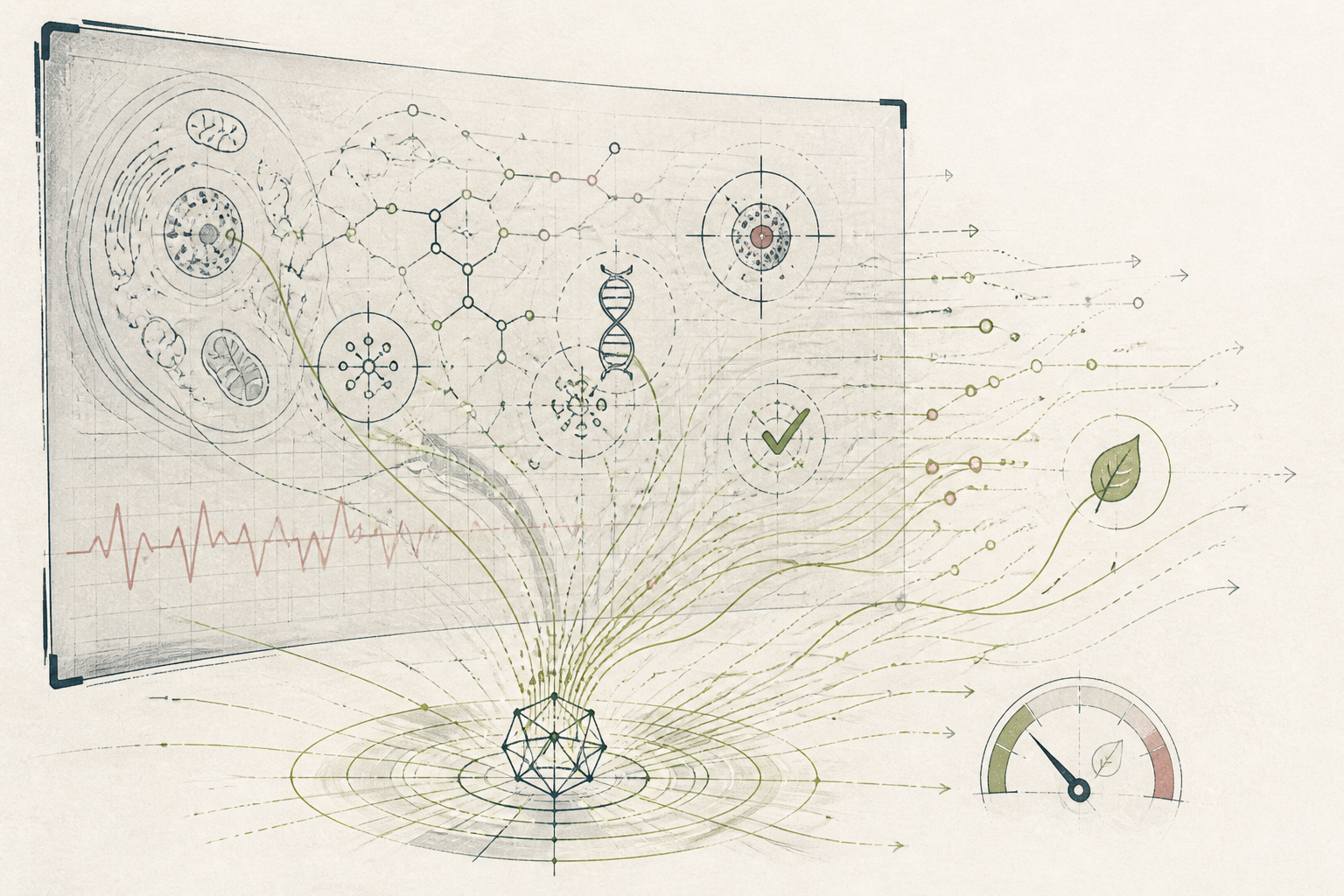
A new AI approach boasts a hundredfold reduction in energy consumption while boosting accuracy. This development directly addresses a critical environmental concern within technology development, offering a path to more sustainable computing.
For health, this energy leap means that advanced AI models, currently restricted by power demands, could operate more widely, from embedded systems in wearables to more efficient cloud-based diagnostic tools. The implications for continuous health monitoring and early intervention are substantial.
Consider the current trajectory: large language models and advanced AI frequently demand significant computational resources, leading to a substantial carbon footprint. This new efficiency challenges that model directly, suggesting that future health-AI might not demand the same environmental trade-offs.
One concrete use is in personal health monitoring. Imagine a wearable device running sophisticated AI analytics on-device for longer periods without frequent recharges, providing real-time insights into metabolic health or cardiac rhythms with enhanced accuracy, all while consuming minimal power. This improves user experience and data continuity.
The effect could be a democratisation of high-fidelity health AI. Lower operational costs due to reduced energy needs might make advanced diagnostics and personalised health insights accessible to a broader population, moving beyond premium-tier services.
However, even with improved efficiency, the sheer volume of data processed by AI in health will remain immense. The ethical implications of ubiquitous, high-accuracy health surveillance, even if energy-efficient, still require robust governance. Data privacy and ownership become even more central concerns when AI can process more information, more cheaply, and more broadly.
This efficiency also extends to the research and development of new therapies. Accelerating drug discovery or understanding complex biological interactions – like bacterial defenses against viruses – through more efficient AI could shorten timelines and reduce the carbon footprint of scientific exploration.
I expect to see a new competitive front emerge, where health-AI providers differentiate not just on accuracy or features but on their 'green' credentials and operational efficiency. Consumers and regulators will increasingly demand this transparency.
Your agency here involves scrutinising health technology not just for its immediate benefits, but for its systemic impact. Ask about the energy demands of the AI powering your health apps and devices. Support providers committed to sustainable computation. This is how we push for a healthier planet alongside healthier individuals.