Clinical AI Governance and the Shrinking Gap Between Lab and Life
The integration of algorithmic intelligence into health sciences forces a reconciliation between rigorous biotechnology standards and the rapid deployment of consumer wellness tools.
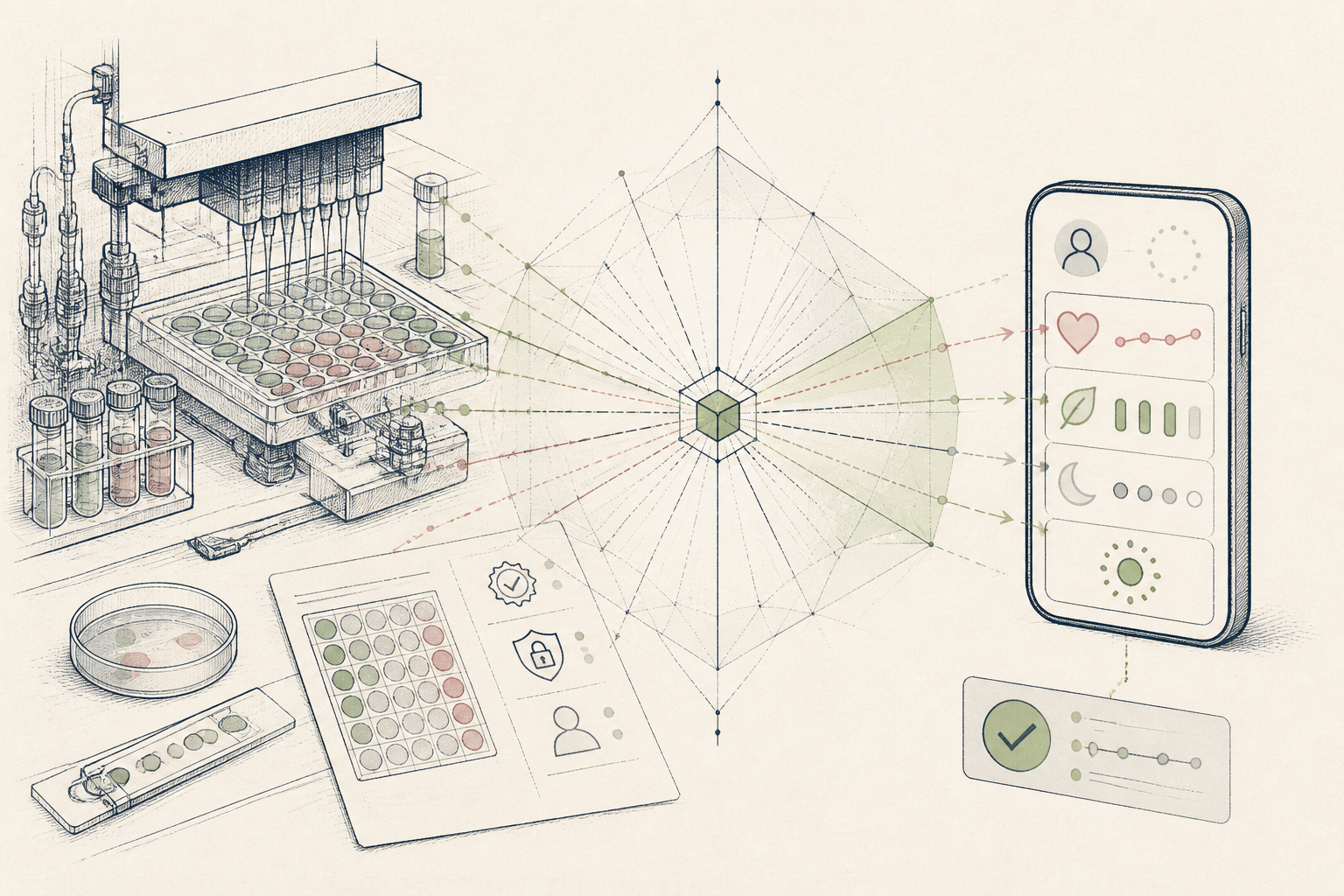
The Friction of Algorithmic Health Integration
The biotechnology sector's attempts to incorporate advanced AI models have exposed a fundamental tension: the pursuit of rapid insight versus the slow necessity of clinical validation. When these models move beyond the laboratory and into the consumer space, the stakes shift from theoretical accuracy to real-world liability. The current operational landscape is defined by this friction, as developers attempt to map complex biological variables onto standardized software frameworks.
Regulatory Influence on Scientific Independence
Recent shifts in the regulatory environment suggest that the era of permissive experimentation is ending. Scientific output is increasingly subject to political and judicial scrutiny, particularly when AI is used to automate health recommendations. Court rulings regarding liability are beginning to reflect the view that software delivering health insights may be treated with the same legal weight as traditional medical devices, regardless of user-facing disclaimers.
The Practitioner’s Strategic Position
Health practitioners and wellness clinicians are now required to act as intermediaries between raw data and actionable advice. The challenge lies in maintaining scientific independence while using tools that are inherently opaque. Reliance on LLM-based health copilots or automated diagnostic aids introduces a risk of deskilling, where the professional loses the ability to interpret the nuances of a patient’s unique physiology in favor of following the statistical average provided by the model.
“Governance is no longer a peripheral legal concern; it is the structural foundation upon which the accuracy and ethics of personalized health must be built.”
Future systems will likely face stricter transparency requirements, particularly within the EU, where GDPR and the AI Act prioritize the user's right to an explanation for any automated decision that affects their physical well-being. This necessitates a shift in how wellness data is stored and processed, prioritizing local execution and verifiable logic over centralized, unexplainable cloud-based processing.
Maintaining Individual Agency
The ultimate defense against the downsides of automated health integration is an informed and skeptical user. Individuals must be taught not just to read their health data, but to understand its limitations and the conditions under which it was generated. Agency is preserved by recognizing that an AI model is a statistical mirror, not a definitive oracle. The most effective wellness strategy remains one where the human remains the final arbiter of the data their own body produces.