AI Illuminates Cognitive Biology: Brain Models & Early Disease Detection
Insights into how the human brain processes language reveal surprising parallels with AI models, deepening our understanding of cognitive function and the potential for AI-assisted cognitive health and early disease detection.
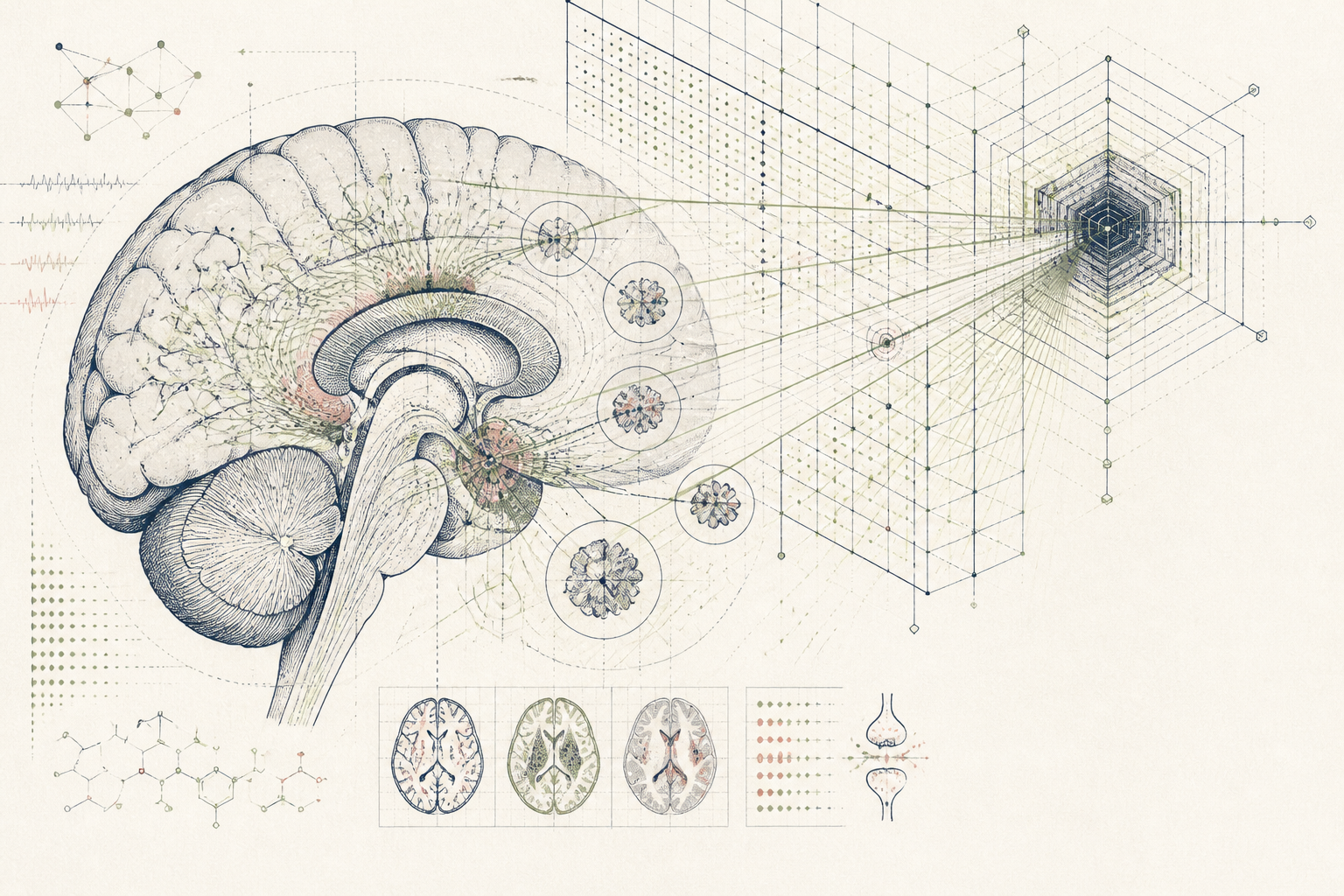
The increasing sophistication of AI models, particularly in areas like language processing, offers more than just practical applications; it provides a mirror to human cognition. When AI models exhibit processing patterns akin to the human brain, it suggests these algorithms are tapping into fundamental mechanisms of how we think and perceive.
This parallel understanding extends beyond abstract cognition to concrete biological processes. New mathematical AI models are, for instance, pinpointing how common metals influence Alzheimer's disease progression, offering a clearer understanding of protein buildup.
This represents a significant shift for diagnostics. Instead of relying solely on symptom-based assessments or late-stage imaging, practitioners could leverage AI to identify early biomarkers, whether through speech patterns indicative of cognitive decline or subtle metabolic shifts detected via routine data.
Consider the use case: an AI-powered analysis of an individual's speech patterns over time, collected through smart devices, could flag deviations matching known patterns of early cognitive impairment. This wouldn't replace a neurologist but would serve as an early warning system, prompting further clinical investigation.
The effect could be a radical shift from reactive treatment to proactive prevention. Detecting conditions like Alzheimer's years before significant symptomatic onset opens a window for lifestyle interventions, dietary changes, or emerging therapies to potentially delay or mitigate disease progression.
However, this also raises critical questions about data privacy and the ethical implications of 'pre-symptomatic' diagnoses. If AI can infer a future health risk from everyday data, who owns that insight, and how is it used without causing undue anxiety or discrimination?
For the individual, this means engaging thoughtfully with technologies that collect personal data. Understand what data is being gathered, how it's analysed, and what insights might be derived about your cognitive health. The potential for earlier intervention is real, but so is the need for responsible data stewardship.
The concrete use for health practitioners lies in integrating these AI insights into routine health screenings. Imagine a clinician receiving a flagged report from an AI system suggesting a patient's cognitive patterns warrant further, specific neurological tests, rather than waiting for overt symptoms to appear. This would augment, not replace, clinical judgment.
The trade-off involves balancing the immense potential for early detection and intervention against the risks of data misuse, misinterpretation, and the psychological impact of predictive diagnostics. Clear ethical guidelines and regulatory frameworks are paramount.
Ultimately, the goal is to use AI not just to understand disease, but to empower individuals and clinicians with knowledge earlier, facilitating choices that promote cognitive longevity and well-being. Your agency lies in understanding these emerging capabilities and demanding robust ethical guardrails around their application.