AI Elevates Natural Compounds for Precision Oncology
AI is accelerating the discovery of natural compounds for cancer treatment, offering a pathway to therapies that are more targeted and less harmful.
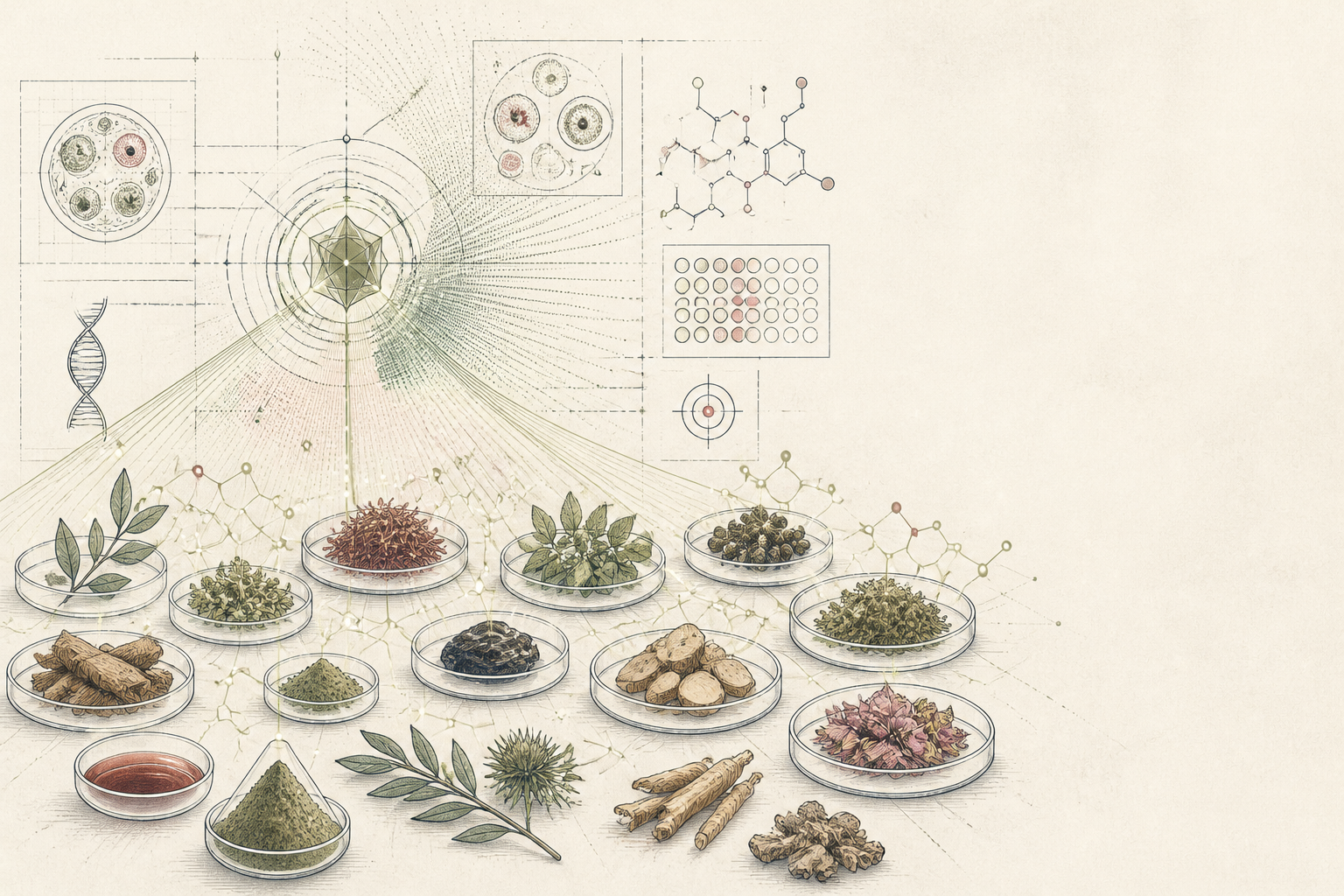
<p>The traditional drug discovery pipeline is notoriously slow and expensive, often taking over a decade and billions of dollars to bring a new drug to market. For cancer patients, this translates to delayed access to potentially life-saving treatments. Artificial intelligence is now poised to transform this landscape, particularly in the realm of natural compounds.</p>
<h2>Accelerating the Search for Nature's Cures</h2>
<p>Natural compounds, like curcumin, have long been recognised for their medicinal properties. However, isolating and validating their efficacy, bioavailability, and safety for human use has been a labour-intensive process. AI algorithms can rapidly screen vast databases of natural molecules, predict their interactions with biological targets, and even suggest modifications to enhance their therapeutic potential.</p>
<p>This capability fundamentally changes how researchers approach drug development. Instead of trial-and-error in a wet lab, AI can perform millions of virtual experiments, identifying promising candidates that warrant further investigation. This shortens the early-stage research timeline significantly, allowing for faster progression to preclinical and clinical trials.</p>
<p>One concrete use case involves identifying synergistic combinations of natural compounds that might be more effective than single agents. AI can parse complex biological networks to pinpoint how different molecules interact with cancer cells, predicting optimal multi-compound regimens tailored to specific tumour types.</p>
<p>The effect is a substantial reduction in the cost and time associated with early-stage drug discovery. This efficiency promises to make novel cancer therapies more accessible and affordable in the long run. However, it also introduces new dependencies on computational models, requiring robust validation methods to prevent "garbage in, garbage out" scenarios.</p>
<p>For the individual, this shift means the prospect of more targeted cancer treatments with fewer side effects. Current chemotherapies often indiscriminately attack both healthy and cancerous cells. AI-driven discovery, particularly from natural sources, aims to identify compounds that are highly specific to cancer pathways, sparing healthy tissues.</p>
<p>The governance challenge here lies in ensuring that these AI models are transparent and auditable. As AI increasingly dictates which compounds are pursued for clinical development, the integrity of the data and the fairness of the algorithms become paramount. Regulatory bodies will need to adapt to these AI-driven pipelines, ensuring safety and efficacy without stifling innovation.</p>
<p>What you can do is engage with your healthcare providers about emerging therapeutic options and the research behind them. Stay informed about the rigorous clinical trials that follow AI-accelerated discoveries, understanding that promising early results require substantial human validation before becoming standard care.</p>