AI & Bio-Integrated Sensors: Merging the Digital Self with the Body
The convergence of advanced sensing technologies, bio-integrable devices, and AI heralds a new era for hyper-personalised health monitoring and intervention.
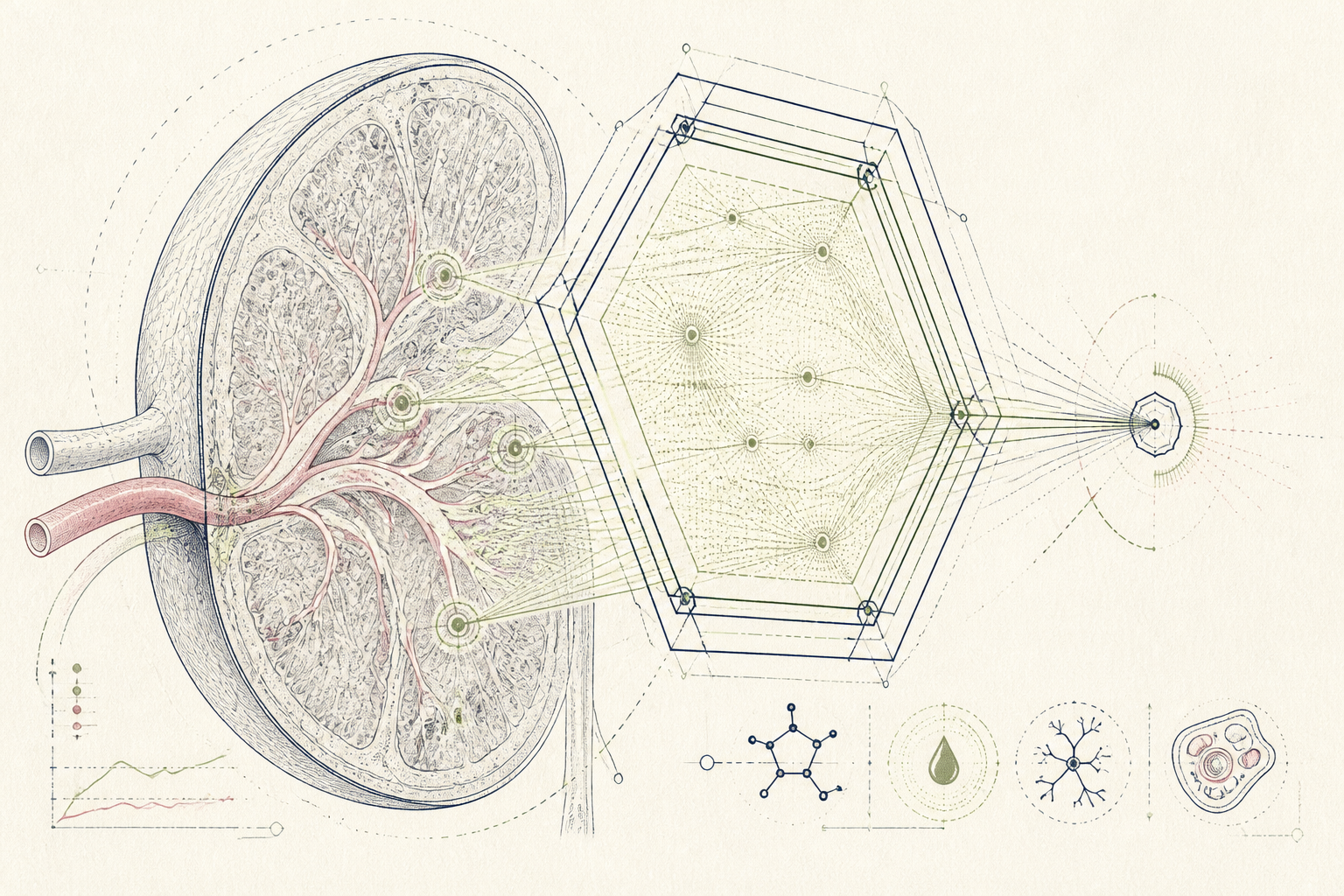
The emergence of light-printed wearable sensors and injectable nerve devices points to a future where personal health monitoring extends beyond a wristband. These advancements signal a move toward integrating digital health tools directly with the human body, whether on the skin, in clothing, or even internally.
This integration changes the fundamental way health data is collected. Rather than relying on intermittent or external measurements, individuals could soon have continuous, real-time insights into their physiological state, from nerve activity to metabolic markers, captured with unparalleled precision and minimal intrusion.
From Passive Data to Active Intervention
What distinguishes this trend is not just the sophistication of data capture, but the potential for direct, targeted intervention. The seed-sized nerve device, for instance, is designed to precisely modulate nerve activity for chronic pain or movement disorders. When coupled with AI analysis of the continuous data stream, this opens the door to systems that don't just report a problem, but actively correct it.
Consider a future where AI, trained on your unique bio-signals, detects early signs of a specific physiological imbalance and simultaneously activates a micro-device to restore equilibrium, all before you experience noticeable symptoms. This moves wellness from reactive treatment to proactive, personalised maintenance.
The implications for chronic conditions are significant. Instead of managing symptoms with broad-spectrum medications, practitioners could employ AI-driven, bio-integrated systems that deliver highly localised, on-demand therapeutic pulses. This could reduce systemic side effects and improve treatment efficacy for conditions currently managed with less precise methods.
However, this level of integration brings new questions about data ownership and control. As devices become intertwined with our biological systems, the data they generate becomes profoundly personal. Ensuring robust privacy frameworks and clear ethical guidelines for the use and access of this 'bio-digital' information is paramount.
The development also highlights the evolving definition of 'sentience' in artificial systems. If AI is to interpret and act upon highly granular human physiological data, its understanding of human states — pain, discomfort, well-being — will need to be nuanced. Ethical AI development must consider how these systems will make decisions that directly impact human physical experience, especially as they move from mere monitoring to active modulation of biological processes.
As these technologies mature, individuals will need to become more conversant with the terms of their digital and biological integration. Understanding how these systems collect, interpret, and act upon your body's data will be key to maintaining autonomy over your health in an increasingly connected physiological landscape.