Molecular Intelligence and the Acceleration of Personalized Longevity
AI's deeper integration into biological research is transforming speculative wellness into a precise science of intervention and early diagnostic foresight.
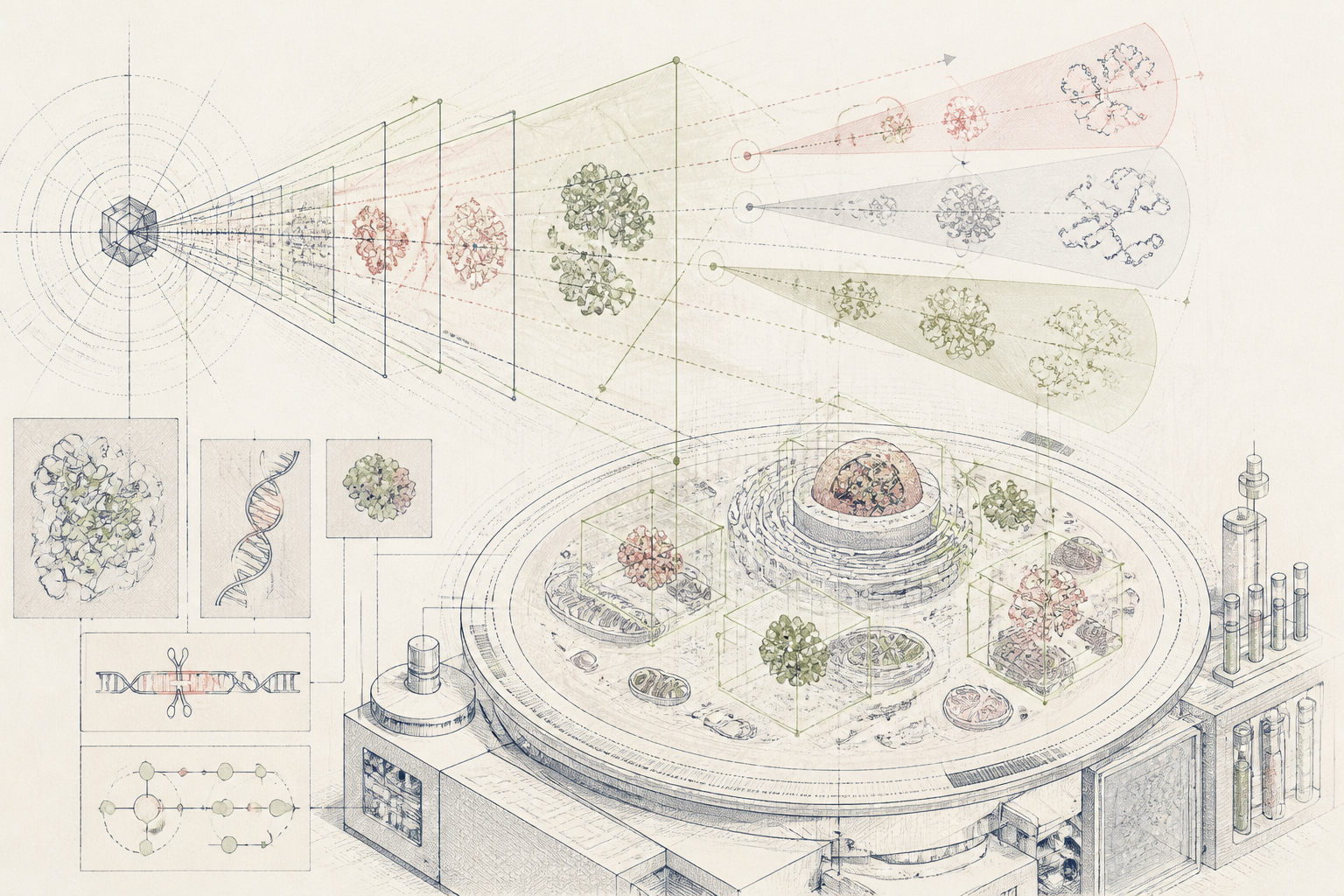
The convergence of computational power and biological sequencing is recalibrating the timeline of medical discovery. By simulating molecular interactions at scale, researchers are identifying candidate compounds for complex conditions—ranging from androgenetic alopecia to persistent infectious diseases—at a velocity previously unattainable through manual laboratory iterations.
From Reactive Medicine to Predictive Precision
Diagnostic precision is moving upstream. AI models trained on vast datasets of physiological markers can now identify the subtle signatures of 'silent' diseases before physical symptoms manifest. This shift fundamentally alters the patient experience, moving the threshold of 'health' from the absence of illness to the optimization of biological function.
The Realignment of Practitioner Roles
Practitioners are evolving into data interpreters. As tools provide granular insights into a patient's proteomic or genomic profile, the clinical focus shifts toward managing the long-term implications of these findings. This requires a new literacy in algorithmic outputs and a critical eye toward the biases inherent in training sets.
In the realm of wellness, this translates to targeted interventions. For instance, identifying the metabolic pathways of specific pathogens or the genetic markers of hair thinning allows for personalized topical or systemic treatments that are statistically more likely to succeed for the specific individual, rather than the average population.
“Precision is the antidote to the inefficiencies of generalized healthcare; however, data without rigorous interpretation is merely noise.”
The sovereignty of the individual remains the final checkpoint. While AI can model every potential interaction within a biological system, the choice to intervene—and how—rests with the person. Understanding the outputs of these predictive models is the primary skill for the modern health-conscious individual. Agency over one's own longevity begins with the clear-eyed assessment of the data those models provide.